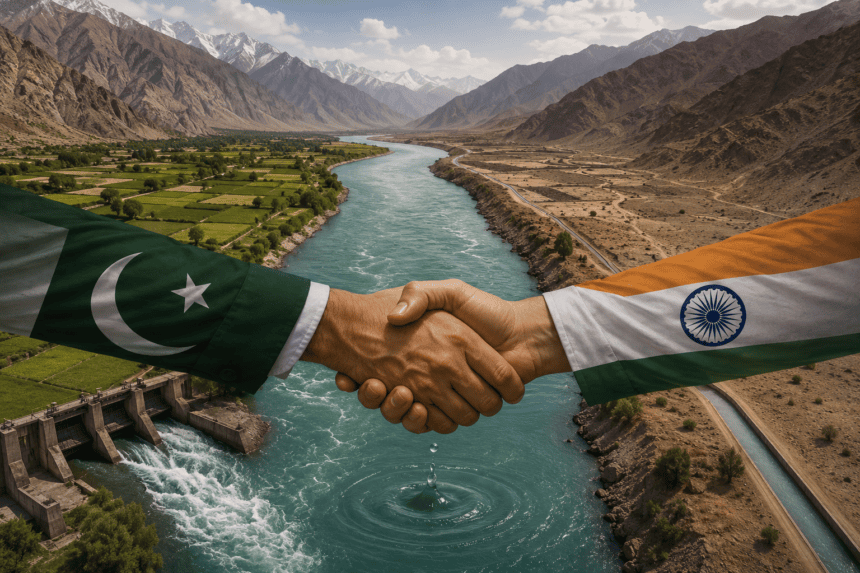
The 1960 Indus Waters Treaty is fraying. For over six decades, the agreement has survived four wars and constant diplomatic frost between India and Pakistan, but the current tensions surrounding the Kishanganga and Ratle hydroelectric projects have pushed the mechanism to its breaking point.
The treaty isn’t just a legal document; it’s the only thing keeping regional water wars at bay.
New Delhi’s recent notice to Islamabad to modify the treaty marks a sharp departure from the “cooperation-first” approach that defined the World Bank-brokered deal. India argues that Pakistan’s persistent objections to its upstream projects constitute an intransigence that renders the existing dispute-resolution mechanism unworkable. Islamabad, conversely, views these hydroelectric projects as a direct threat to its downstream water security, fearing that reduced flow will devastate its agrarian economy.
The stakes are existential.
Pakistan remains one of the most water-stressed nations on the planet. Its reliance on the Indus river system is absolute. When the treaty’s integrity is questioned, the fear in Islamabad isn’t just about technical specifications or dam heights—it’s about the potential for India to exert control over the lifeblood of the country’s agriculture.
India’s frustration is equally tactical. Projects stalled by years of arbitration and “legalistic” delays have cost billions. For New Delhi, the treaty has become a hurdle to its own energy requirements, leading to the current push for a more “flexible” interpretation of water-sharing rights.
Both sides are now playing a high-stakes game of brinkmanship.
The World Bank finds itself in an uncomfortable position, caught between two nuclear-armed neighbors who refuse to agree on the appointment of neutral experts or a court of arbitration. By ignoring the established protocols, both nations risk turning a manageable technical disagreement into an uncontrollable geopolitical crisis.
Water, by its nature, doesn’t respect borders. If the treaty collapses, there is no plan B. Without the technical oversight the agreement provides, the two countries will be left with nothing but suspicion and an unmonitored river system.
History shows that the Indus Waters Treaty has been the quietest, most effective peacekeeper in South Asia. If it fails, the next conflict won’t be fought over ideology or territory—it will be fought over the most basic human necessity. The tragedy is that both Islamabad and New Delhi seem prepared to risk that outcome rather than concede an inch at the negotiating table.