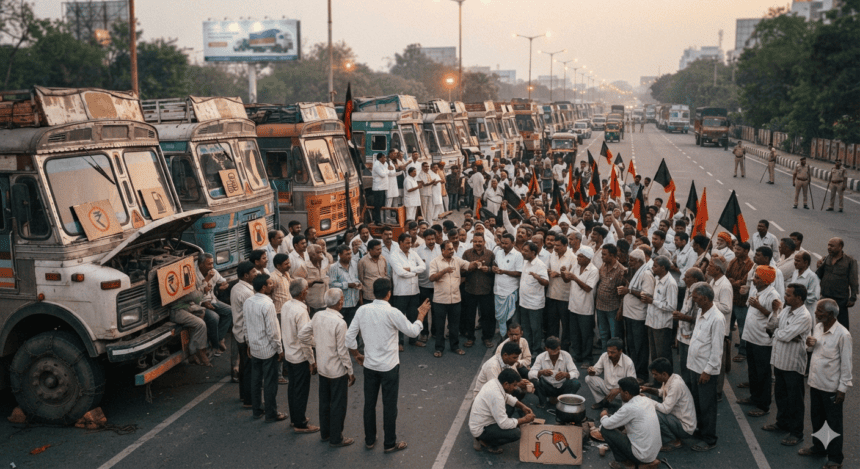
Public transport and goods carriers across the country have issued a final ultimatum: lower diesel prices and reduce the tax burden, or face a complete wheel-jam strike starting August 8.
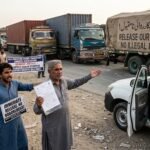
The All Pakistan Goods Transporters Association and several provincial transport unions announced the decision late Tuesday. They argue that the current cost of operations has pushed the industry to the brink of collapse. With fuel prices hitting record highs and the recent hike in toll taxes and vehicle registration fees, transporters claim they can no longer afford to keep their fleets on the road.
“We aren’t just asking for relief; we are asking for survival,” said a spokesperson for the goods transporters union. “If the government doesn’t withdraw these taxes and bring fuel prices down by August 8, not a single truck will move. We will park our vehicles on the highways.”
The threat spells potential chaos for supply chains. If the strike proceeds, it will likely trigger an immediate shortage of essential commodities, including perishables, fuel, and raw materials for the manufacturing sector. Markets are already anticipating price spikes, as any disruption in the supply chain forces retailers to pass increased logistics costs directly to the consumer.
Government officials have yet to issue a formal response or invite the unions for negotiations. The Ministry of Communications has remained silent on the demands, leaving the transport sector—and the public—in a state of uncertainty.
The industry’s frustration isn’t new. Transporters have held several protests over the last year, largely against the rising cost of diesel and the proliferation of toll plazas on national highways. This time, however, the threat of a nationwide “wheel-jam” suggests they are moving past street protests toward a full-scale economic shutdown.
For the average citizen, this isn’t just a dispute between unions and the state. It’s a looming crisis that threatens to empty grocery shelves and push already high inflation even further out of reach. Unless the government breaks its silence in the coming days, the country’s main arteries face a total standstill by Thursday morning.