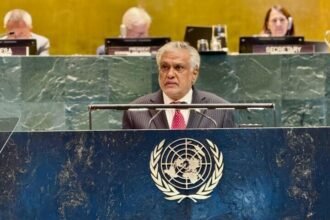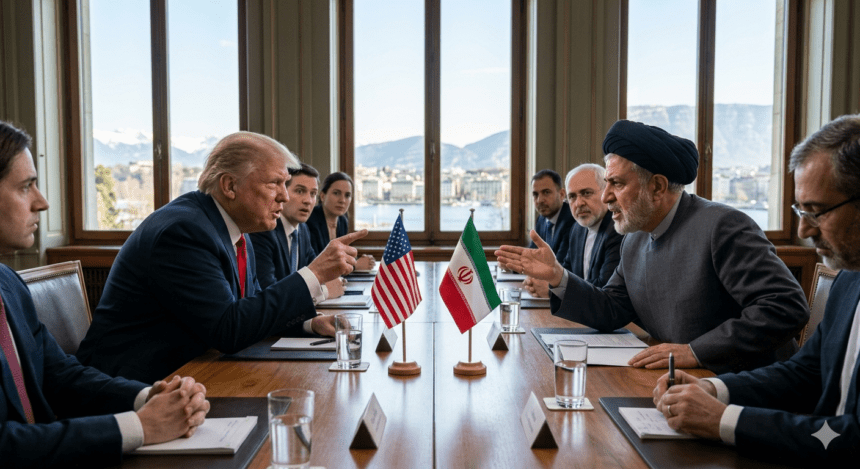
GENEVA — Donald Trump and Iran’s lead negotiators are trading sharp warnings as secret, high-stakes talks unfold in Switzerland. The discussions, aimed at de-escalating rising tensions in the Middle East, have hit a wall of mutual distrust despite the presence of intermediaries.
The former president, eyeing a return to a “maximum pressure” stance, signaled through close aides that any deal must include strict, verifiable limits on Iran’s nuclear enrichment. He dismissed the current round of talks as “weak,” telling donors in private briefings that he would dismantle any agreement that doesn’t mirror his previous exit from the JCPOA.
Iran’s delegation, led by veteran diplomat Ali Bagheri Kani, isn’t backing down. They responded via state-aligned media outlets, warning that Tehran views Trump’s rhetoric as a “blatant provocation” that undermines the Geneva process. They’ve made it clear: Iran will not return to the negotiating table under the threat of renewed sanctions.
The Swiss government, traditionally a neutral host, has scrambled to keep the channels open. Diplomatic sources in Geneva say the atmosphere inside the meeting rooms is “brittle.” While both sides are technically at the table, they are using the sessions as a platform to project strength rather than find common ground.
The stakes are immediate. Regional security analysts point to the fragile state of the Strait of Hormuz and the ongoing proxy conflicts in Lebanon and Yemen. Any collapse of these talks likely signals a return to active confrontation, with few diplomatic off-ramps left for either side.
Trump’s team insists their confrontational posture is the only leverage that works. Tehran, meanwhile, is betting that the global appetite for another regional war will force the U.S. to soften its demands.
For now, the negotiators remain in Switzerland, but their public warnings suggest the gap between them has only widened. A breakthrough remains unlikely as long as both sides prioritize domestic optics over a durable compromise.