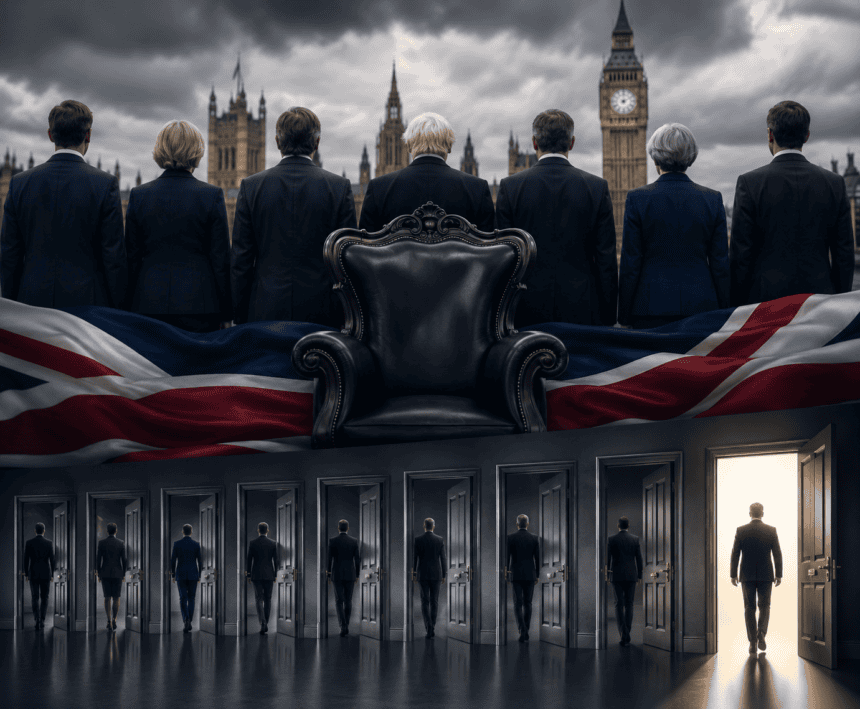
The United Kingdom has officially cycled through its seventh prime minister in just ten years. Keir Starmer’s arrival at 10 Downing Street following Labour’s decisive general election victory marks the final chapter in a decade of political instability that has seen the country navigate Brexit, a global pandemic, and a revolving door of Conservative leadership.
This turnover is rare for a stable democracy. To put the chaos in perspective: the U.S. has had three presidents in that same window, while Germany has seen two chancellors. Since 2014, the UK has moved from David Cameron to Theresa May, Boris Johnson, Liz Truss, Rishi Sunak, and now Starmer. Each transition, save for the most recent election, was triggered by internal party strife or policy collapse rather than a clear mandate from the electorate.
The “seven in ten” statistic isn’t just trivia; it’s a symptom of a governing party that spent the better part of a decade at war with itself. The 2016 Brexit referendum acted as the primary catalyst, claiming the premierships of Cameron, May, and Johnson in rapid succession. By the time Liz Truss took office in 2022, the economic volatility reached a breaking point, resulting in a 49-day tenure that wiped billions off the UK’s bond markets and effectively ended the Conservative Party’s reputation for fiscal competence.
Starmer enters office with a massive parliamentary majority, a luxury his predecessors lacked in their final years. However, the structural fatigue within the civil service and the public’s eroding trust in political institutions remain significant headwinds. The electorate didn’t just vote for Labour; they voted for an end to the frantic pace of leadership changes that characterized the last decade.
The challenge for the new administration is simple to state but brutal to execute: stability. Voters are tired of the daily drama that defined the Johnson and Truss eras. They want boring, functional governance.
“The work of change begins immediately,” Starmer told reporters outside Downing Street on Friday morning. It’s a standard line for a new leader, but for a country that has seen more prime ministers in ten years than most nations see in a generation, the pressure to deliver is amplified by the exhaustion of the voting public.
The era of constant leadership contests is over for now, but the political scars of the last decade will dictate the limits of what the new government can achieve in its first hundred days.