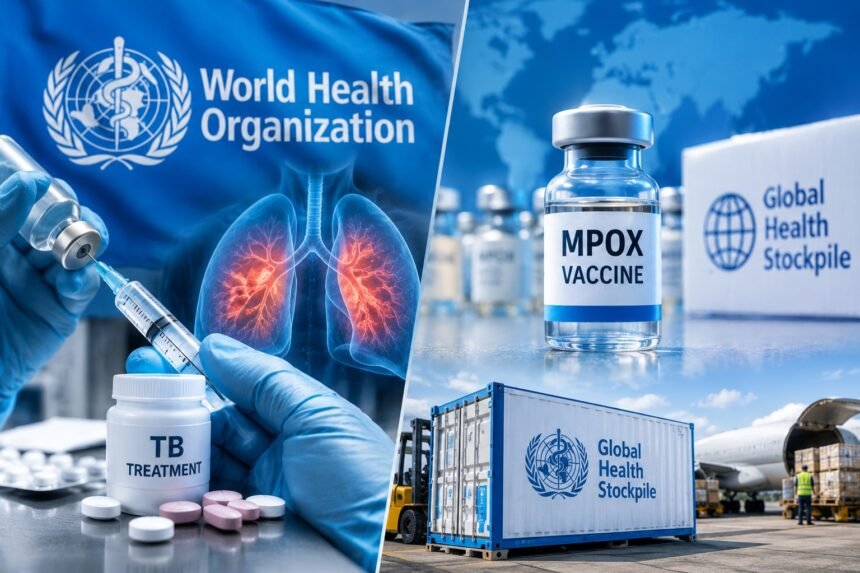
The World Health Organization has published new target profiles for long-acting injectable medicines designed to prevent and treat tuberculosis (TB). The initiative aims to guide researchers and pharmaceutical developers towards treatments that could reduce the burden of taking medicines over extended periods.
Currently, many TB treatment regimens require patients to take oral medicines regularly for several months. Maintaining this routine can be difficult for some patients, increasing the risk of missed doses and treatment interruptions.
Under the new profiles, a future injectable option for TB prevention should ideally provide a complete course through a single injection visit. For active TB disease, the goal is a treatment course lasting no more than four months, delivered through three or fewer dosing visits.
The WHO profiles also emphasise safety, effectiveness, affordable access and the ability to administer injections at lower levels of the healthcare system without requiring refrigerated storage. These are development targets, however, and do not mean that such injectable treatments are already widely available for routine TB care.
In a separate development, Danish vaccine manufacturer Bavarian Nordic has pledged to donate 75,000 doses of mpox vaccine to the global emergency stockpile. The donation is intended to strengthen international preparedness and help ensure vaccine supplies are available when countries face outbreaks.
The global stockpile initiative is coordinated through an international mechanism involving the WHO and partner organisations. It is designed to support a more timely and equitable response to mpox outbreaks, particularly in countries facing limited access to vaccines.
Together, the developments highlight ongoing efforts to improve treatment options for infectious diseases and strengthen global readiness to respond to public health emergencies.