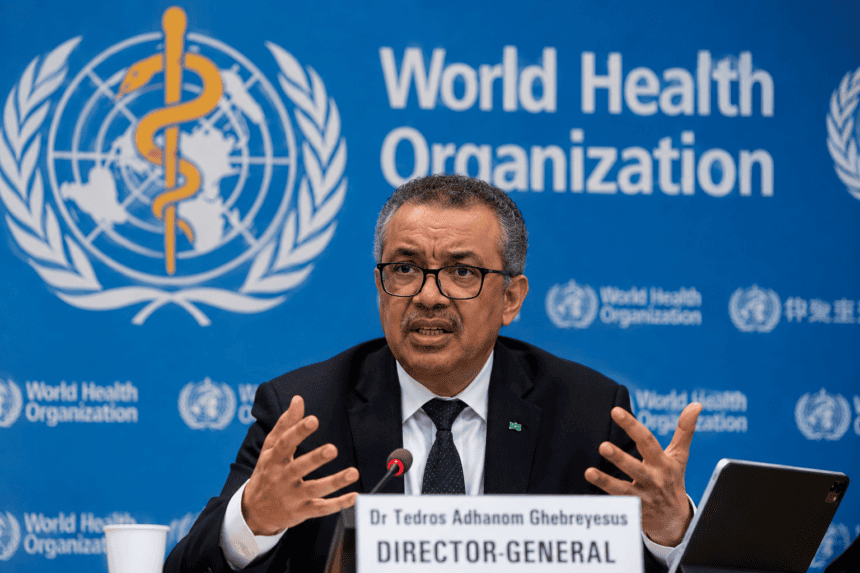
Gaza’s public health system is on the brink of total failure. With winter rains fast approaching, the World Health Organization (WHO) warns that the combination of damaged infrastructure, severe overcrowding, and a lack of basic sanitation will trigger a secondary disaster of disease outbreaks.
The agency’s latest assessment paints a grim picture. Months of bombardment have left medical facilities struggling to function, and the impending weather will only compound the misery for the nearly two million displaced people living in makeshift camps.
“We are looking at a perfect storm,” a WHO regional advisor said, noting that the agency is particularly concerned about the spread of respiratory infections and waterborne diseases like cholera.
Clean water is already scarce. Most families in displacement shelters have access to less than three liters per person each day—far below the international emergency standard. Once the rains begin, the lack of drainage will likely cause sewage to overflow into living areas. The result is predictable: a surge in diarrhea and skin infections that the already gutted healthcare system cannot absorb.
Hospitals in the strip are currently operating at a fraction of their capacity. Many lack reliable electricity, fuel for generators, or even basic antibiotics. Surgeons are performing procedures on floors, often without anesthesia, as supplies remain trapped at the border by bureaucratic bottlenecks.
Aid organizations have repeatedly called for a surge in medical supplies and fuel to keep water pumping stations running. Yet, the flow of aid remains erratic. Without a massive, sustained influx of resources, the WHO expects the mortality rate to climb—not just from injuries, but from preventable illness.
Winter will turn the current crisis into a catastrophe. As temperatures drop and the rains begin to soak the thin plastic sheets serving as roofs for thousands of families, the focus will shift from trauma care to managing a mass health epidemic. For those inside Gaza, the coming weeks are not just about surviving the conflict—they are about surviving the elements.