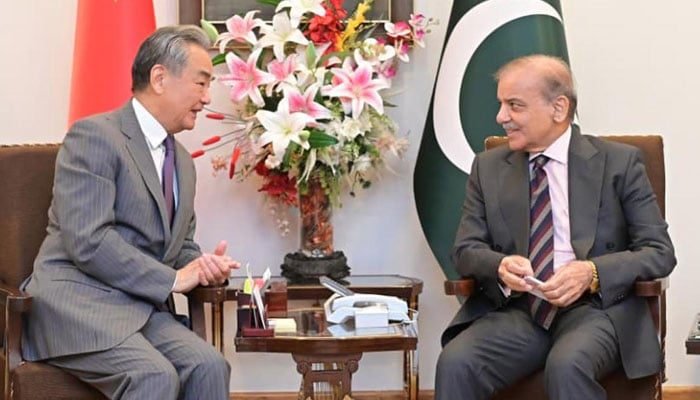
Islamabad — China and Pakistan have agreed to expand cooperation in science, education, and culture under a new five-year roadmap. The initiative aims to strengthen long-term people-to-people ties through joint research, talent exchanges, and cultural projects.
Under the agreement, both countries will establish joint research laboratories within the Belt and Road framework, focusing on disaster prevention, climate change, clean energy, and artificial intelligence. Cooperation will also expand in marine science, energy exploration, and digital security. The space program will continue until 2030, covering astronaut training, lunar research, and satellite-based remote sensing.
From 2025 to 2029, China will provide 3,000 training and study opportunities for Pakistani students, researchers, and engineers. Programs such as the “Talented Young Scientist” initiative and technical workshops will equip young scientists and experts with advanced skills. Both countries also agreed to enhance cooperation in vocational training, employment promotion, and mutual recognition of engineering qualifications.
In the environmental sector, joint action will be taken to combat air pollution, conserve water, and build climate resilience, while sharing expertise in water management and green development.
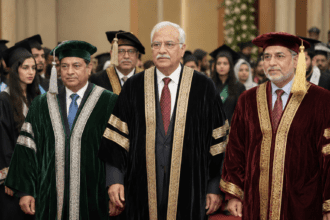
In education and culture, more student and teacher exchanges will be promoted. Universities will strengthen CPEC-linked partnerships, and a larger number of Pakistani students will pursue higher education in Chinese institutions. Cultural cooperation will also expand in film, media, and events, with Pakistani films competing in the Golden Panda Awards.
The plan further includes sports, aviation, and heritage collaboration. New air routes and sister-city partnerships will be established, athlete and coach exchanges will grow, and under the Alliance for Cultural Heritage in Asia, joint projects will focus on archaeology and restoration of historical sites.