KARACHI: Despite women constituting nearly 47 percent of Karachi’s population — over 10 million — the city faces a severe shortage of Lady Medico-Legal Officers (MLOs), a crisis delaying justice for victims of rape, sexual assault, and domestic violence.
According to official data, only 20 Lady MLOs are currently appointed across all government hospitals in Karachi, a number far below what is needed to meet daily caseloads. These officers are responsible for conducting forensic and medico-legal examinations that serve as critical evidence in court proceedings. Without timely examinations, cases often lose strength — allowing offenders to evade accountability.
Critical role of lady MLOs in justice system
Lady MLOs examine injuries sustained by women during incidents of violence or accidents and prepare medico-legal reports — crucial in verifying rape cases and supporting police investigations. Forensic samples are sent to the Sindh Forensic DNA Laboratory at the University of Karachi, where DNA evidence is analyzed to support court trials.
However, the shortage has created a bottleneck in the justice process. Victims often wait hours or even days for examination, leading to delays in evidence collection and compromised legal outcomes.
A domestic violence survivor from Nazimabad shared her ordeal, saying she could not file her medico-legal report immediately because no Lady MLO was available. “I felt uncomfortable explaining my ordeal to a male MLO. Had a female officer been present, she would have understood my emotional state better,” she said.
Hospitals under strain
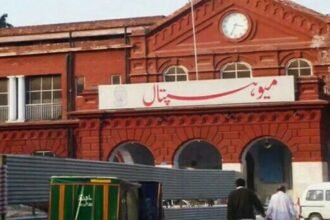
Currently, only three government hospitals — Jinnah Postgraduate Medical Centre (JPMC), Dr. Ruth Pfau Civil Hospital, and Abbasi Shaheed Hospital — have functional medico-legal sections. Other hospitals, such as Lyari General, Liaquatabad, Saudabad, Korangi, and Qatar, have medico-legal units only on paper and lack female staff or necessary facilities.
Postmortem services for women are also available only at Jinnah, Civil, and Abbasi hospitals.
Data from JPMC shows 8–9 rape cases and 22–25 domestic violence cases daily, adding up to nearly 240 rape and 750 domestic violence cases monthly. Civil Hospital and Abbasi Shaheed record similar figures, collectively representing a major public health and legal challenge.
Officials acknowledge crisis and digital reforms
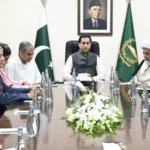
Karachi Police Surgeon Dr. Summaiya Tariq confirmed that there are currently 20 Lady MLOs and 24 male MLOs serving across the city. She highlighted that the Sindh Health Department is digitalizing the medico-legal process to enable instant transmission of reports to police and courts.
“Manual reporting used to cause significant delays in trials. Once fully digitalized, victims will receive faster legal relief,” Dr. Tariq explained.
She further added that DNA testing and reporting are handled by the Sindh Forensic DNA Laboratory under the International Center for Chemical and Biological Sciences (ICCBS), ensuring scientific verification of sexual assault evidence.
The Sindh Medico-Legal Act 2023 has also been enacted to reform procedures, with rules and operational frameworks being finalized. Plans are underway to activate medico-legal sections in all districts to ease the burden on the existing system.
The numbers tell a grim story
In 2024, 730 cases of rape and violence against women were officially reported in Karachi. Experts warn that this figure represents only a fraction of the real number due to underreporting and fear of social stigma. The data for 2025 is expected to be released in December.
The shortage of female officers continues to pose a serious challenge to women’s access to justice, emphasizing the urgent need for recruitment, training, and resource allocation to strengthen medico-legal services in Pakistan’s largest city.