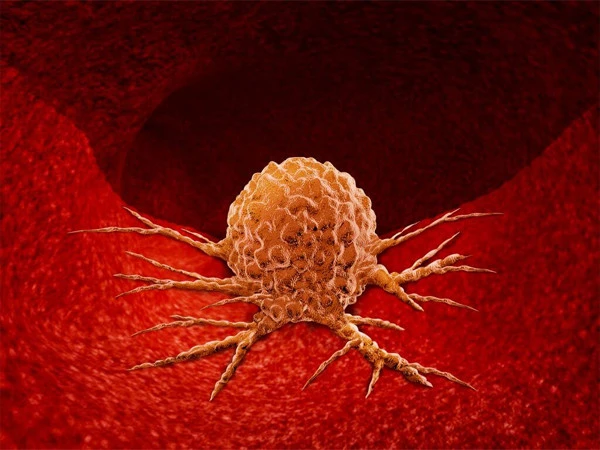
A recent study has discovered a genetic sequence linked to pancreatic cancer that could revolutionize the early diagnosis and treatment of this deadly disease.
Currently, the most common type of pancreatic cancer, pancreatic ductal adenocarcinoma (PDAC), often does not appear until it reaches a dangerous stage, mainly due to the lack of effective diagnostic tools in the early stages.
A research team from Hampshire, supported by Pancreatic Cancer Charity, believes that the findings of their study could help develop tools to predict the risk of the disease.
This breakthrough would enable doctors to identify individuals who could benefit from early screening and potentially life saving treatment.
Known risk factors for the disease include smoking, diabetes, obesity, and inherited genetic predisposition.