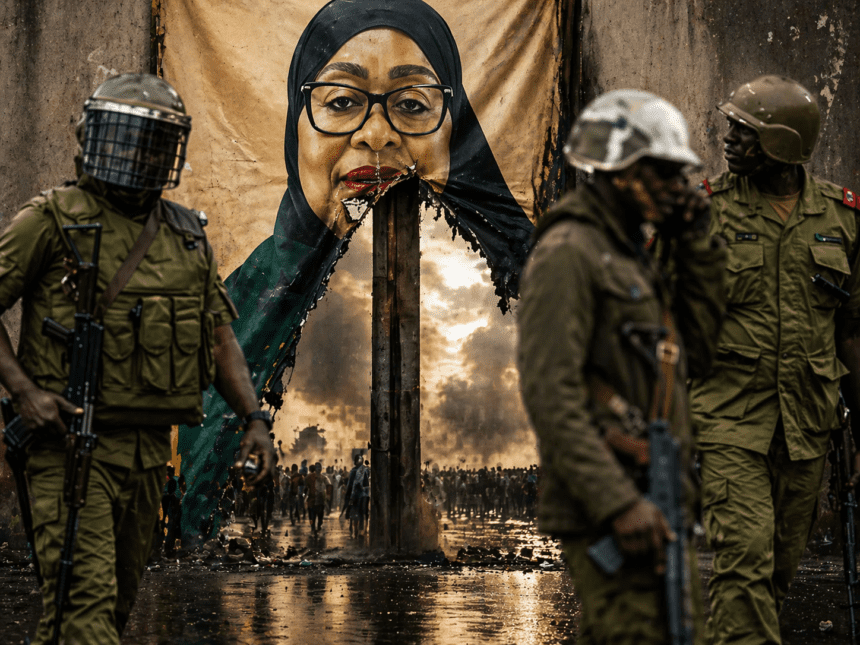
Tanzania’s recent electoral cycle left a staggering toll of more than 500 deaths, according to findings from a government-appointed inquiry. The report, which surfaced after months of internal review, confirms that the violence was not a series of isolated skirmishes, but a systematic collapse of security during the polling period.
Families are still searching for missing relatives. The inquiry details that most victims were killed during clashes between opposition supporters and security forces, while others died in targeted attacks on polling stations that turned into battlegrounds.
The government, which previously downplayed reports of civilian casualties, now faces intense pressure to hold its security apparatus accountable. Human rights groups have long argued that the police used excessive force to suppress dissent, but this official acknowledgement marks a shift in the narrative. It confirms that the state’s response to political mobilization was lethal.
“We cannot move forward until the families of those lost receive justice,” said a lead investigator involved in the report. He spoke on condition of anonymity, citing the sensitivity of the internal findings. He made it clear that the death toll was likely conservative, as many deaths in remote districts went undocumented.
The political fallout is immediate. Opposition leaders are using the data to demand an international investigation, arguing that the domestic inquiry lacks the teeth to prosecute senior officials. They claim the report is a tactical admission designed to appease foreign donors rather than a genuine step toward reform.
Economic stability in the region now hangs in the balance. Investors are wary of the growing instability, and neighboring nations have expressed concern that the violence could spill across borders.
The report concludes with a series of recommendations for electoral reform, but for the families of the 500 dead, the paper trail offers little comfort. The government has yet to announce if any police commanders will face charges for the violence. For now, the administration remains silent on the next steps, leaving a volatile country waiting for a signal of accountability that has yet to arrive.