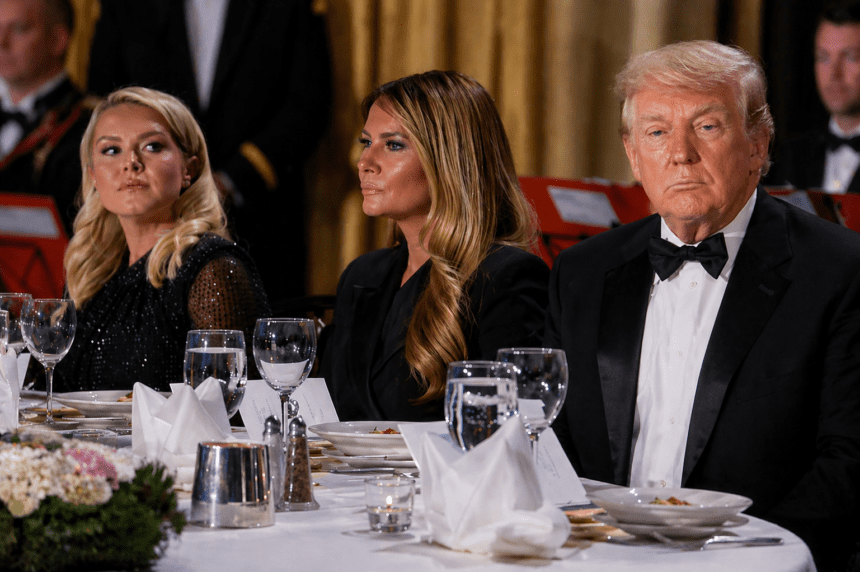
WASHINGTON, April 25 — President Donald Trump and First Lady Melania Trump were rushed out of the White House Correspondents’ Association dinner on Saturday night after gunfire erupted outside the ballroom at the Washington Hilton, triggering panic and a swift Secret Service response. Trump was not injured, and officials said a suspect was later taken into custody.
The disturbance happened during the annual correspondents’ dinner, a high-profile Washington event that brings together journalists, political figures and public officials. It is important to note that the incident did not take place at the White House itself; it unfolded at the dinner venue, the Washington Hilton in Washington, D.C.
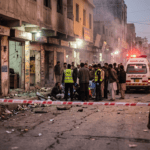
According to AP’s reporting, shots were fired near the ballroom entrance as the event was underway. Secret Service agents moved quickly, surrounding the president and escorting him from the stage. Witness accounts described confusion inside the room, with some attendees ducking under tables as loud bangs echoed through the hall.
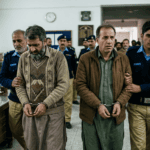
Officials said one officer was hit in the vest and survived. The alleged attacker, identified in AP reporting as a 31-year-old California man, was said to be armed with multiple weapons before being subdued and arrested. Authorities, including the FBI, Secret Service and D.C. police, are now investigating the motive and the full sequence of events.
The disruption instantly overshadowed what had already been a closely watched dinner. The 2026 WHCA event had drawn extra attention because it marked Trump’s return to the correspondents’ dinner as president, and organizers had promoted the April 25 gathering as one of the association’s central annual events. The White House Correspondents’ Association says the dinner is a major source of funding for its journalism support work, First Amendment programs and scholarships.
In the aftermath, the event was effectively halted, and reports indicated it would be rescheduled. Beyond the immediate shock, the incident is likely to renew concerns over security at major political gatherings in the United States, especially at a time when threats against public officials remain a serious part of the national climate.