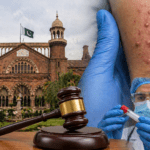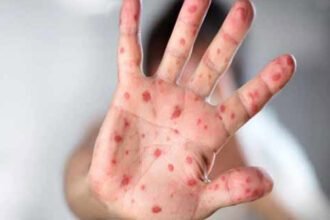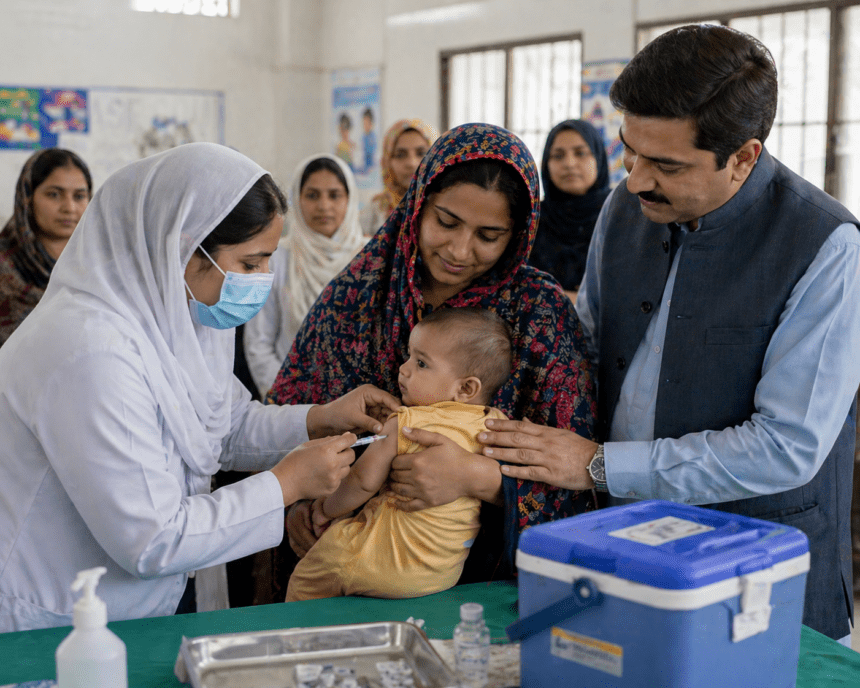
Larkana Deputy Commissioner Dr. Sharjeel Noor Channa has ordered health officials to accelerate measles vaccination efforts across the district, citing an urgent need to protect children from the rising threat of the virus.
The directive follows reports of a spike in measles cases in rural pockets of the district. Dr. Channa, chairing a review meeting on the immunization campaign, made it clear that any negligence in reaching remote areas would be met with strict disciplinary action.
“We are not just chasing targets,” Dr. Channa told district health officers. “We are protecting lives. Every child missed by a vaccination team is a potential tragedy we could have prevented.”
The district administration has shifted its strategy to focus on door-to-door verification. Health workers are now required to submit daily coverage reports directly to the DC’s office, effectively ending the practice of relying on estimated data.
Measles remains a volatile challenge in Sindh, often exacerbated by gaps in cold-chain logistics and parental hesitancy in marginalized communities.
In Larkana, the district health department is deploying mobile units to reach nomadic settlements and underserved urban slums where routine immunization rates have historically lagged. While the provincial government has provided the necessary vaccine stocks, the hurdle has long been the “last mile” delivery.
The DC’s latest order mandates that local union council chairmen assist health teams in identifying families who have resisted vaccination, turning the effort into a coordinated administrative push rather than just a medical one.
The administration has also launched a parallel awareness drive, engaging local religious and community leaders to address misconceptions about the vaccine. For the families in Larkana’s outlying villages, the success of this campaign is measured in simple terms:
keeping the local pediatric wards empty. Whether the health department can sustain this pace once the initial administrative pressure fades remains the true test of the district’s immunization infrastructure.