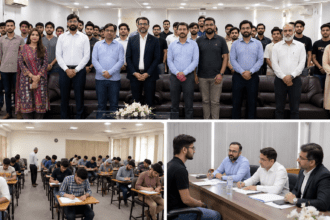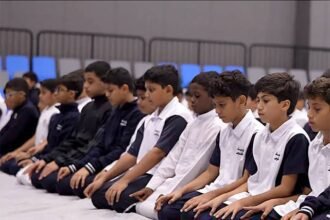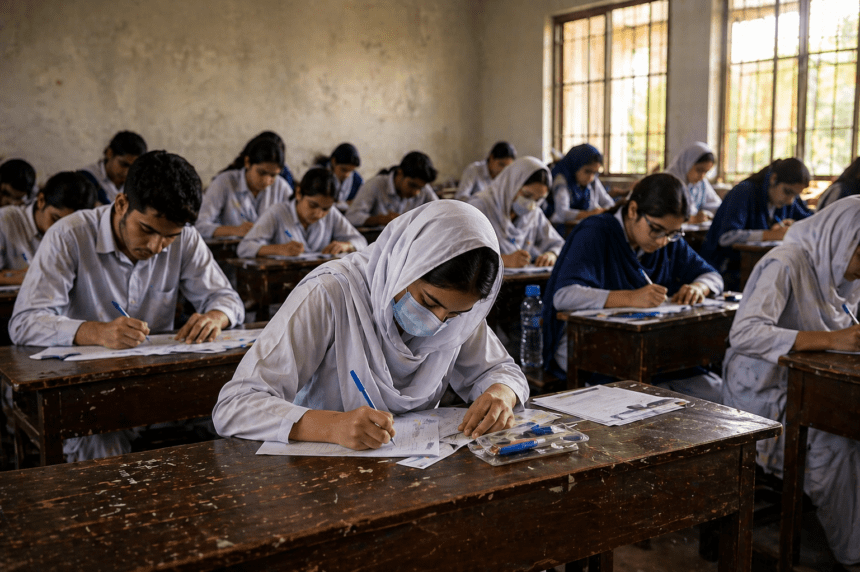
Thousands of students across Sindh walked into examination centers this morning, marking the start of the Higher Secondary School Certificate (HSSC) exams.
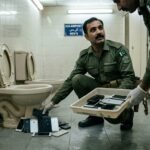
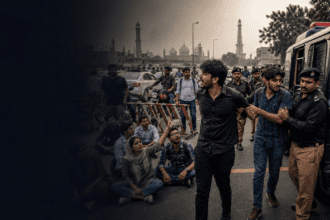
Education boards have implemented a strict “no phone” policy inside the halls, with local administrations imposing Section 144 around centers to prevent unauthorized gatherings. Despite these measures, reports of power outages in several districts have already created early-morning friction for students and invigilators alike.
The stakes are high. For many, these results serve as the primary gateway to medical, engineering, and top-tier university admissions. With the curriculum recently updated and the grading criteria tightened by the provincial boards, officials are under pressure to ensure the process remains transparent. Board chairmen have claimed that they’ve increased the number of vigilance teams tasked with curbing the rampant cheating culture that has plagued these exams in previous years. “We’ve deployed observers to every major center,” said a spokesperson for the Karachi Board.
“If a student is caught with a device, the paper is cancelled immediately. There is no room for leniency this year.
” Yet, the reality on the ground remains challenging. Many students in rural Sindh arrived at their centers to find inadequate lighting and broken furniture. Others traveled hours from remote villages, only to face delays as exam papers were late reaching the designated locations. Education analysts argue that the focus on “security” often overshadows the learning environment.
While boards prioritize preventing leaks, the lack of basic infrastructure in public schools continues to disadvantage students from lower-income backgrounds. As the first papers conclude today, the focus shifts to the boards’ ability to maintain this pace for the next two weeks.
For the thousands sitting in those halls, the real test isn’t just the questions on the paper it’s navigating a system that rarely makes it easy