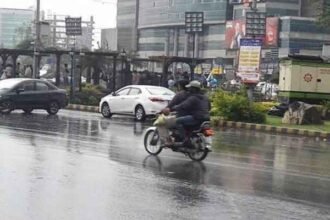
Karachi is back under punishing heat, with humidity making conditions feel far worse than the thermometer suggests and fresh warnings issued for residents to stay out of the sun during peak afternoon hours. Recent local reporting, citing the Pakistan Meteorological Department, said the city’s actual temperature was in the mid-to-high 30s Celsius, while the heat index — the “feels like” reading shaped by humidity — climbed to around 45°C, and in some coverage of Karachi’s coastal belt, conditions were described as touching 46°C.
The immediate outlook is not especially comforting. PMD-linked reports published on May 2 said Karachi could see temperatures near 40°C on Sunday and above 41°C on Monday, with hot, very hot and dry conditions expected across much of Sindh. The department has also warned that the broader pattern this month could bring stronger and more frequent heatwaves to Sindh, southern Punjab and parts of Balochistan as temperatures run above normal.
What makes Karachi especially exhausting in spells like this is the mix of heat and moisture. Even when the recorded temperature is lower than inland Sindh, the air can feel heavier and harsher because of humidity and weaker sea-breeze relief. That is why a day in the mid-30s can still feel brutal enough to push people indoors, crowd clinics, and rattle families with children or elderly relatives at home. Recent PMD-linked coverage specifically urged extra caution for children, senior citizens and people already dealing with health problems.
City authorities, meanwhile, have begun shifting into response mode. Karachi Metropolitan Corporation has announced emergency steps, including instructions to set up special heatwave wards in hospitals run by the city administration, as officials brace for a tougher May. That move follows wider warnings from provincial and national disaster agencies that southern Pakistan is entering a period of sustained heat stress, not just a one-day spike.
For residents, the advice is familiar but serious: drink water regularly, avoid unnecessary outdoor activity in the afternoon, wear light clothing, and keep an eye on people who are most vulnerable — outdoor labourers, traffic police, children, the elderly and anyone fasting or working in poorly ventilated spaces. Doctors and weather officials usually watch for warning signs like dizziness, nausea, confusion and unusually high body temperature, which can point to heat exhaustion or heatstroke.
Karachi has dealt with dangerous heat before, so this sort of alert carries a bit more weight than a routine summer forecast. And with May only just beginning, officials are already signalling that this could be the start of a long, uncomfortable stretch rather than the peak of it. For now, the message from weather and disaster authorities is pretty plain: the city is not at its hottest reading on paper, but the human body doesn’t care much about that when the air feels closer to 46°C.