The Islamic Revolutionary Guard Corps (IRGC) has issued a blunt assessment of Washington’s current Iran policy, dismissing the prospect of a military strike as a fantasy while characterizing diplomatic alternatives as a “bad deal.” The comments, attributed to senior IRGC commanders, arrive at a precarious moment for Middle Eastern security.
Tehran is signaling that it views the Biden administration’s approach—a mix of sanctions and back-channel diplomatic pressure as a failing strategy that forces the U.S. into a diplomatic cul-de-sac. Military planners in Tehran argue the U.S. lacks the appetite for a direct confrontation.
They point to the logistical nightmare of a regional conflict and the potential for a massive, multi-front retaliation involving Iran’s regional proxies. For the IRGC, the “impossible” nature of a military operation isn’t just about troop numbers; it’s about the economic cost of a shuttered Strait of Hormuz and the inevitable spike in global oil prices.
Washington, meanwhile, maintains that all options remain on the table. The White House has consistently pushed for a renewed nuclear framework, seeking to contain Iran’s enrichment activities without triggering a wider war.
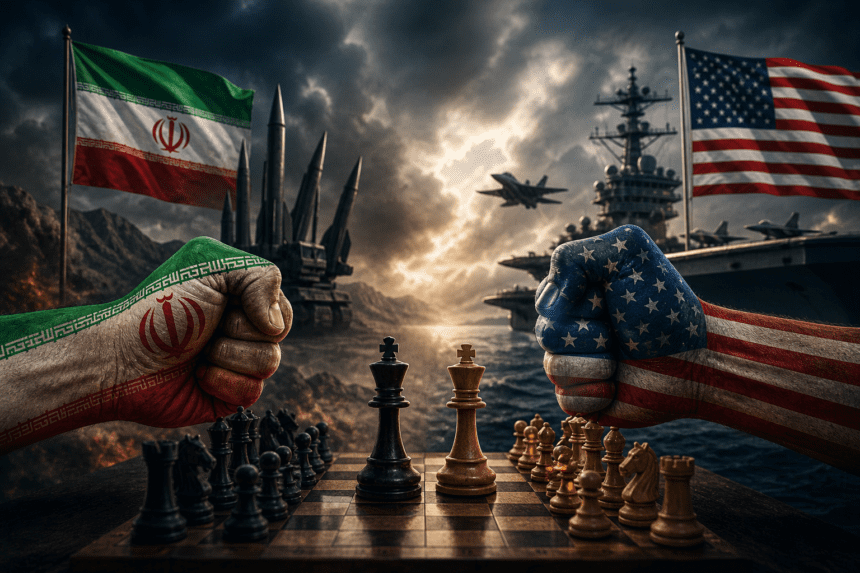
Yet, the IRGC’s latest rhetoric suggests they believe the U.S. is bluffing. By framing the choice as a binary between a military failure and a “bad deal,” the Guard is effectively signaling that they have no intention of making significant concessions at the negotiating table. Analysts suggest this posture is designed to bolster domestic morale and exert pressure on Western negotiators.
By painting the U.S. as trapped by its own strategic limitations, the IRGC aims to project strength to its regional partners in the “Axis of Resistance.” The skepticism from Tehran isn’t new, but the timing is pointed. As regional tensions simmer over the conflict in Gaza and attacks on maritime shipping, the IRGC is betting that the White House’s desire to avoid a wider war outweighs its commitment to a long-term containment strategy. For now, the standoff remains a game of perception.
While the U.S. continues to seek a diplomatic off-ramp, the IRGC’s public stance serves as a reminder that Tehran sees the status quo defined by the failure of maximum pressure and the avoidance of open war—as a strategic victory.