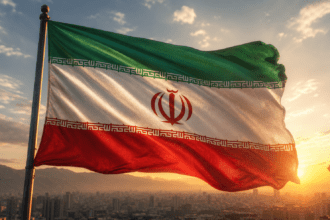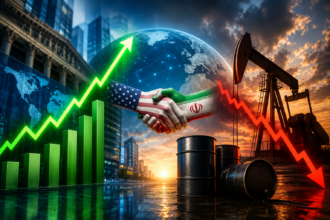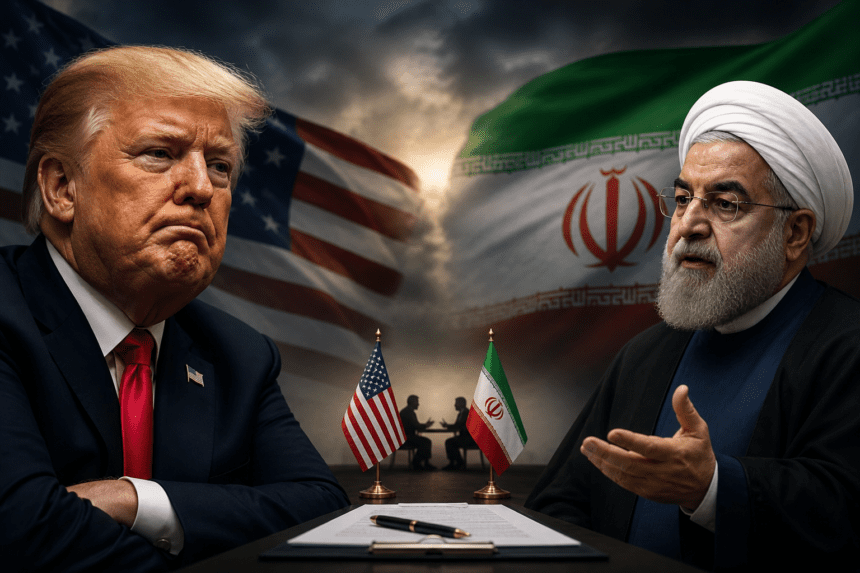
Tehran’s leadership has set a stark ultimatum for the incoming Trump administration: either accept a compromised nuclear agreement or prepare for the consequences of a military conflict that Iranian officials are labeling an operational impossibility.
The rhetoric signals a hardening stance as Donald Trump prepares to return to the White House. During his first term, Trump pulled the U.S. out of the 2015 Joint Comprehensive Plan of Action (JCPOA) and implemented a “maximum pressure” campaign of sanctions. Now, with rumors of a new, restrictive peace proposal circulating, Tehran is telegraphing that the geopolitical landscape has shifted since 2018.
Iranian officials view the prospect of a direct military strike as a non-starter. They argue that Iran’s deepened military integration with regional proxies and its underground nuclear infrastructure make a surgical strike ineffective. To them, the U.S. is left with a binary choice: a diplomatic settlement that Tehran views as unfavorable, or a prolonged, high-cost regional destabilization that would likely fail to achieve its strategic objectives.
Trump’s transition team remains tight-lipped on the specific mechanics of a new proposal. However, advisors close to the President-elect have hinted at a strategy focused on “starving” the Iranian regime of hard currency to force a return to the negotiating table. This approach relies on stricter enforcement of existing sanctions, particularly targeting Iran’s oil exports to China.
The tension is playing out against a backdrop of shifting alliances. Unlike 2018, Iran has solidified its ties with Moscow and Beijing, providing a financial and political buffer against Western isolation. This access to Eastern markets has blunted the immediate impact of U.S. sanctions, giving Tehran more leverage than it held during the previous Trump administration.
Analysts suggest the Iranian warning is as much for domestic consumption as it is for Washington. By framing the U.S. options as inherently flawed, the regime aims to project strength to its regional allies while signaling to the Iranian public that the state is prepared for another cycle of confrontation.
The White House’s next move will define the tone for the Middle East for the next four years. If the Trump administration pursues a “bad deal,” it risks alienating hardliners within its own party. If it pursues a military path, it risks a regional entanglement that the incoming President has repeatedly campaigned against.
For now, the standoff remains a game of perception. Tehran is betting that the cost of conflict is too high for Washington to pay, while the U.S. is betting that the cost of isolation is too high for Tehran to sustain.