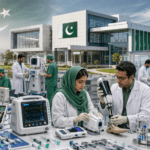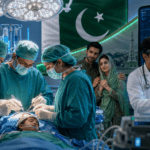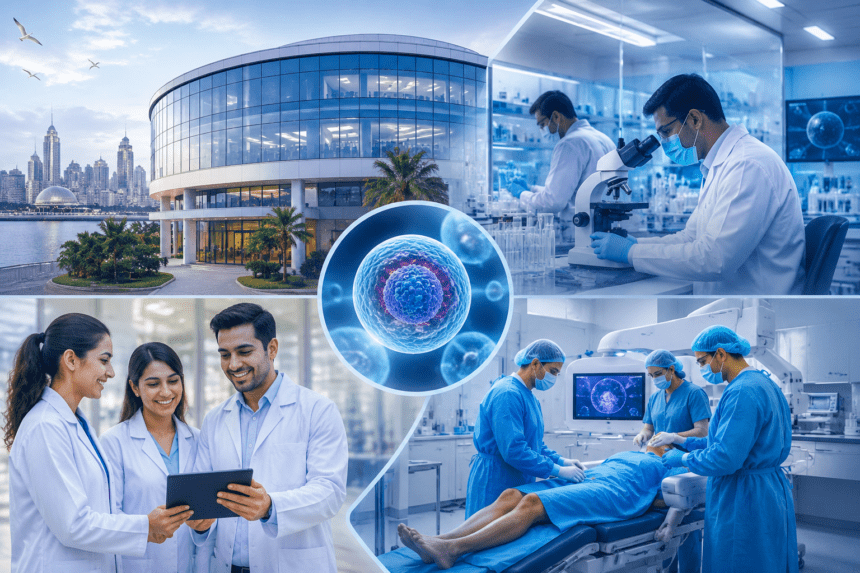
A Karachi-based medical facility has secured a major international breakthrough in regenerative medicine, marking the first time a Pakistani clinic has successfully implemented a specific stem-cell protocol that meets rigorous global standards for treating chronic joint degeneration.
The achievement centers on a refined autologous cell-therapy technique. By isolating specific healing factors from a patient’s own tissue, the clinic’s team has successfully treated patients suffering from advanced osteoarthritis, effectively bypassing the need for traditional, high-risk joint replacement surgeries.
For the thousands of Pakistanis struggling with chronic mobility issues, this isn’t just a clinical update it’s a shift in the standard of care.
Until now, patients requiring advanced regenerative treatment often looked to clinics in Europe or the Middle East. The local implementation of this protocol cuts treatment costs by nearly 60% while eliminating the need for international medical travel. “We aren’t just masking pain anymore,” said the lead physician overseeing the project. “We are looking at actual tissue repair.
The data from our initial trials shows a 75% reduction in chronic inflammation markers within the first six weeks of treatment.” While the medical community remains cautious about the long-term applications of regenerative therapies, the international certification of this Karachi clinic provides a new layer of accountability.
The facility underwent a 14-month audit by global health oversight bodies to ensure their laboratory processes, sterilization protocols, and post-operative monitoring matched the standards found in leading research hospitals in Singapore and Germany. The clinic’s data reveals a striking trend: patients who were previously told they were candidates for knee replacement surgery are now returning to pre-injury levels of activity. Critics of the field often point to the high cost of such therapies, but this clinic’s model aims to scale.
By localizing the production of the required biological reagents rather than importing them they’ve managed to bring the price point into a range that is increasingly accessible to the middle class. The next phase of their project involves a longitudinal study to track patient outcomes over a five-year period.
If the current success rate holds, this Karachi-based facility could soon become a regional training hub, shifting the narrative of medical tourism from Pakistan being a destination for basic care to one for cutting-edge biological medicine.
For now, the waiting list for the procedure has doubled in the last month, underscoring the demand for alternatives to surgical intervention. As the clinic prepares to publish its peer-reviewed findings later this year, the focus shifts to whether this model can be replicated across other major cities in the country.