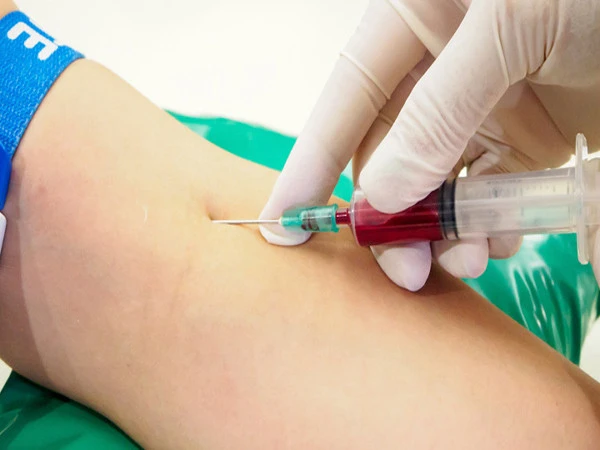
Scientists have tested a new blood test that could in the future help doctors determine when prostate cancer treatment is beginning to fail.
According to a new study, this development could make more personalized treatments possible for patients and may also extend the lives of men suffering from advanced stage disease.
The research conducted by University College London examined whether extremely small fragments of tumor DNA present in the blood could be used to detect the continued growth of cancer.
The study, conducted across 14 different NHS centers in the United Kingdom, included 117 men who had recently been diagnosed with advanced prostate cancer.
Researchers discovered that even six to twelve weeks after treatment began, tumor DNA was still clearly present in the blood of three out of every 10 patients.
The most significant finding was that when these DNA tests were combined with PSA levels, they identified men whose risk of death was 20 times higher compared to those whose blood showed no tumor DNA and who also had low PSA levels.