Malaria remains a leading cause of pediatric illness in endemic regions, yet many parents mistake its onset for a common flu or seasonal fever. When a child spikes a high fever, the delay in testing can be the difference between a quick recovery and a severe, life-threatening complication.
Recognizing the Symptoms
Malaria doesn’t always present with the classic “chills and fever” pattern in young children. Infants and toddlers are often irritable, lose their appetite, and may suffer from persistent vomiting or diarrhea. In older children, watch for the telltale cycle: intense shivering followed by a high fever that suddenly breaks with profuse sweating. If your child complains of headaches, muscle aches, or extreme fatigue, do not wait for the fever to subside on its own.
The ‘So What?’ of Delayed Diagnosis
Malaria in children progresses rapidly. Because their immune systems are still developing, they lack the tolerance that adults may have built over years of exposure. Cerebral malaria a severe form involving the brain can develop within hours if the parasite count goes unchecked. If you live in or have recently traveled to a malaria-prone area, a fever is a medical emergency until proven otherwise.
Testing and Treatment
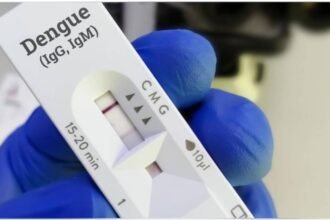
There is no “home remedy” for malaria. If you suspect infection, head to a clinic for a Rapid Diagnostic Test (RDT) or a blood smear. These are simple, quick, and accurate. Doctors typically prescribe Artemisinin-based Combination Therapies (ACTs). These drugs are highly effective, but they must be completed in full. Stopping the medication once the child feels better is a common mistake; the parasite can remain in the bloodstream, leading to a relapse that is often harder to treat.
Prevention: More Than Just Nets
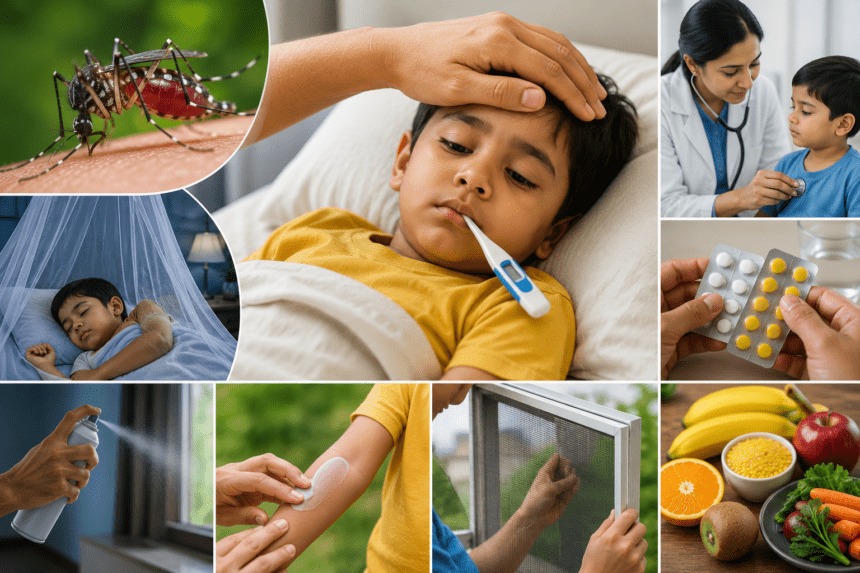
Bed nets remain the gold standard, but they only work if they are used correctly and are free of holes. Treat nets with insecticide if possible. Beyond the bedroom, focus on the environment:
* Standing Water: Mosquitoes breed in stagnant water. Check flower pots, discarded tires, and blocked gutters weekly.
* Timing: Anopheles mosquitoes are most active between dusk and dawn. Keep children indoors during these hours or ensure they are wearing long sleeves and pants.
* Repellents: Use DEET or Picaridin-based repellents on exposed skin, but always follow manufacturer guidelines for age-appropriate concentrations.
The Bottom Line Pediatric malaria is entirely preventable and highly treatable if caught early. Don’t rely on guesswork or over-the-counter fever reducers to mask the symptoms. If the fever persists for more than 24 hours, get the child tested. Early intervention is the only strategy that consistently saves lives.