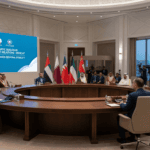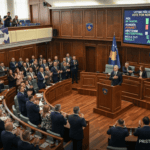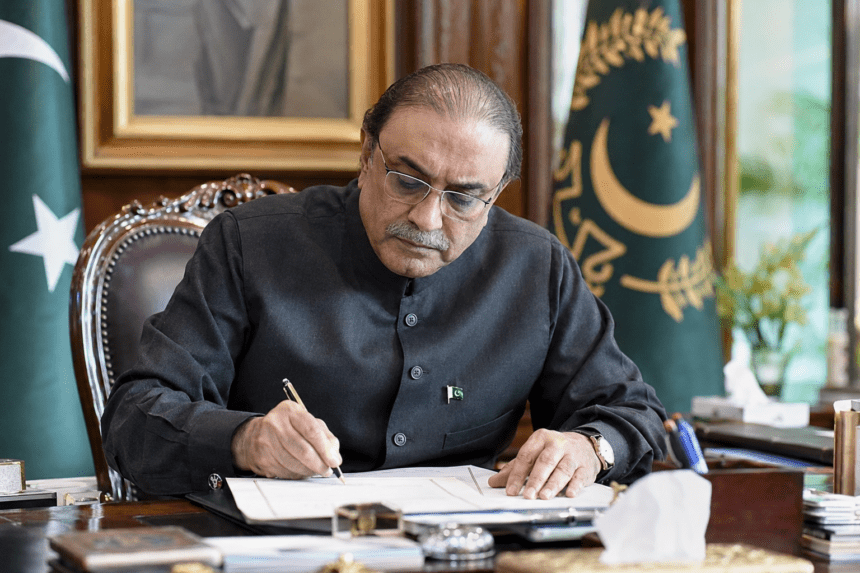
President Asif Ali Zardari has officially summoned sessions of both houses of Parliament for June 10, setting the stage for a critical legislative week. The National Assembly is scheduled to meet at 5:00 p.m., while the Senate will convene shortly thereafter.
The timing is far from coincidental. With the federal budget for the upcoming fiscal year looming, the government is under immense pressure to finalize its financial roadmap. These sessions serve as the primary arena for the administration to present its economic agenda and secure the necessary parliamentary support to pass the Finance Bill.
Opposition benches are already signaling their intent to challenge the government on tax hikes and austerity measures. For the ruling coalition, these sessions aren’t just about routine procedure — they are a test of their legislative grip as they attempt to balance IMF requirements with mounting public frustration over the cost of living.
Government sources indicate that the legislative calendar will prioritize the budget process, though several pending ordinances are also expected to be tabled. The move follows the standard constitutional protocol under Article 54(1), which mandates the President to summon sessions upon the advice of the Prime Minister.
The session is expected to be heated. Lawmakers from the opposition, particularly those aligned with the PTI, have been preparing to confront the treasury benches on issues ranging from recent electricity tariff adjustments to the broader economic instability.
While the official agenda remains centered on the budget, the floor of the House is likely to turn into a battleground for political point-scoring. As the government enters this session, it faces a narrow path: push through a rigorous budget to satisfy international creditors without triggering a full-scale parliamentary revolt.