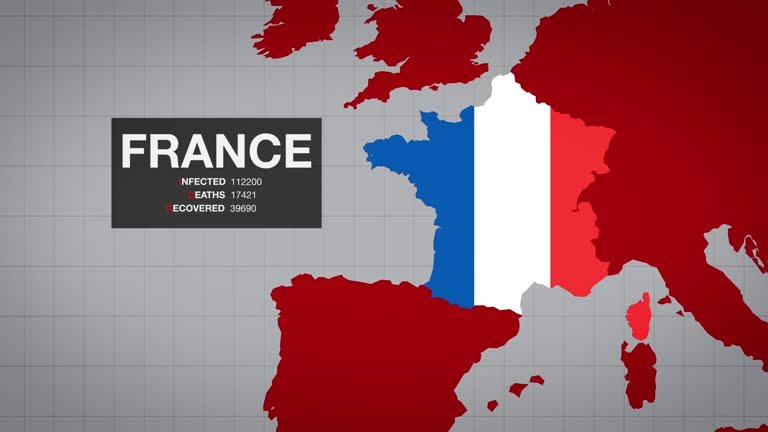
A New Public Health Concern Emerges
France has confirmed its first reported case of Ebola, prompting an immediate response from health authorities and drawing international attention. While officials have emphasized that the risk to the general public remains low, the development serves as a reminder that infectious diseases continue to pose challenges in an increasingly connected world.
The patient has reportedly been placed in isolation and is receiving specialized medical care. At the same time, health officials have launched contact-tracing efforts and activated established safety protocols designed to prevent further transmission of the virus.
Understanding Ebola
Ebola is one of the world’s most serious viral diseases. First identified in 1976, the virus has caused multiple outbreaks, primarily in parts of Africa. The disease spreads through direct contact with the bodily fluids of an infected person or contaminated materials.
Common symptoms include:
- High fever
- Severe fatigue
- Muscle pain
- Headaches
- Vomiting
- Diarrhea
- Internal or external bleeding in severe cases
Without proper medical treatment, Ebola can be life-threatening. However, advances in healthcare, vaccines, and outbreak management have significantly improved survival rates and response capabilities in recent years.
How France Detected the Case
According to health authorities, the Ebola case was identified through routine disease surveillance and testing procedures. Rapid detection allowed medical teams to quickly isolate the patient and begin investigations into potential exposure routes.
Contact tracing is now a major priority. This process involves identifying individuals who may have come into close contact with the infected person and monitoring them for symptoms. Public health experts consider contact tracing one of the most effective tools for containing infectious diseases before they spread widely.
Why Health Authorities Responded Quickly
Speed is essential when dealing with highly infectious diseases. Even a single confirmed case requires a coordinated response to ensure that any potential transmission is identified and controlled.
French health officials have implemented several measures, including:
- Isolating the patient in a specialized medical facility
- Monitoring close contacts
- Strengthening surveillance systems
- Coordinating with international health organizations
- Providing public information to prevent misinformation and panic
Officials have reassured citizens that France’s healthcare system is prepared to manage such situations and that strict containment procedures are being followed.
Public Reassurance Is Key
Whenever a serious disease makes headlines, fear and misinformation can spread quickly. Public health experts stress that Ebola is not transmitted through the air like some respiratory viruses. Instead, infection requires direct contact with bodily fluids from an infected person.
This distinction is important because it means that casual contact in public spaces generally does not pose the same level of risk. Accurate information helps people understand the actual threat and avoid unnecessary panic.
Authorities have urged the public to rely on verified information from official health agencies rather than rumors circulating on social media.
Global Lessons from Previous Outbreaks
The confirmation of an Ebola case in France highlights the importance of global disease surveillance. Modern travel and international mobility mean that infectious diseases can cross borders rapidly, making international cooperation essential.
Previous Ebola outbreaks demonstrated the value of:
- Early detection
- Rapid medical intervention
- Community awareness
- International coordination
- Investment in healthcare infrastructure
Many countries have strengthened their preparedness plans based on lessons learned from past outbreaks, allowing them to respond more effectively when cases are detected.
Challenges Ahead
Although authorities have acted swiftly, investigations are still ongoing. Health officials must determine how the patient became infected and whether there are any additional cases connected to the infection.
The coming days will be critical as medical teams monitor contacts and continue containment efforts. Transparency and clear communication will also play a vital role in maintaining public trust.
Looking Ahead
France’s first confirmed Ebola case is a significant public health event, but it is not necessarily a cause for alarm. The rapid response by health authorities demonstrates the importance of preparedness, surveillance, and coordinated action in managing infectious diseases.
As investigations continue, officials remain focused on protecting public health, preventing further transmission, and ensuring that accurate information reaches the public. The situation serves as a reminder that vigilance and strong healthcare systems remain essential in a world where emerging diseases can quickly become global concerns.
While much attention is currently focused on this single case, the broader lesson is clear: early detection, scientific expertise, and international cooperation are among the most powerful tools available in the fight against infectious diseases.