Kinshasa, Democratic Republic of Congo — As health authorities continue efforts to contain the latest Ebola outbreak, one critical question remains unanswered: Where did the virus come from? Scientists and public health experts are working to determine the origin of the outbreak, a task that could prove crucial in preventing future infections and understanding how the disease emerged.
Ebola is a highly infectious viral disease that has caused multiple outbreaks in Africa since it was first identified in 1976. While researchers have learned much about how the virus spreads, pinpointing the exact source of individual outbreaks often remains a complex challenge.
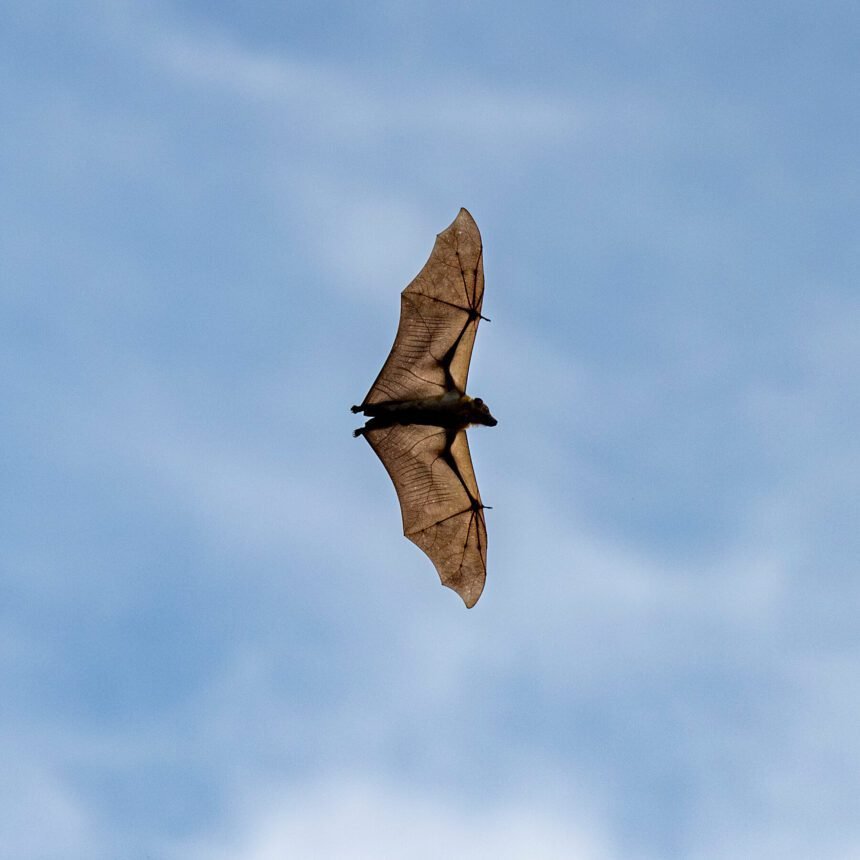
According to health experts, Ebola is believed to originate in animals before being transmitted to humans, a process known as zoonotic transmission. Fruit bats are widely considered the most likely natural hosts of the virus, although other wildlife species may also play a role in its spread. Determining how the virus crossed into the human population is now a key focus of ongoing investigations.
Scientists are conducting field studies, collecting environmental samples, and tracing the movements of infected individuals in an effort to identify the outbreak’s origin. Researchers are also examining whether the virus emerged through direct contact with infected wildlife, contaminated environments, or other potential transmission pathways.
The mystery surrounding the outbreak has attracted international attention because understanding the source of infection is essential for reducing the risk of future outbreaks. Public health officials say that identifying the origin can help authorities strengthen disease surveillance systems and implement more effective prevention strategies.
Experts caution that finding definitive answers may take months or even years. Previous Ebola outbreaks have sometimes left investigators with unanswered questions despite extensive research efforts. Remote locations, limited data, and the complex interaction between humans, animals, and the environment can make tracing the virus particularly difficult.
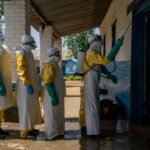
International health organisations are working alongside local authorities to support investigations and enhance monitoring efforts in affected areas. Officials stress that while understanding the outbreak’s origins is important, immediate priorities remain focused on patient care, contact tracing, vaccination campaigns, and preventing further transmission.
The latest outbreak serves as a reminder of the ongoing threat posed by emerging infectious diseases and the importance of investing in scientific research and public health preparedness. As investigators continue their search for answers, the question of where the virus originated remains one of the most important and closely watched aspects of the Ebola response.
For now, the source of the outbreak remains uncertain, but experts hope that continued research will provide valuable insights that can help protect communities from future outbreaks and improve global disease prevention efforts.