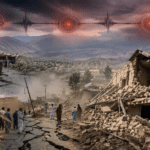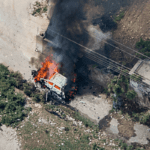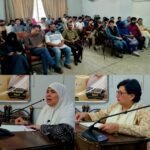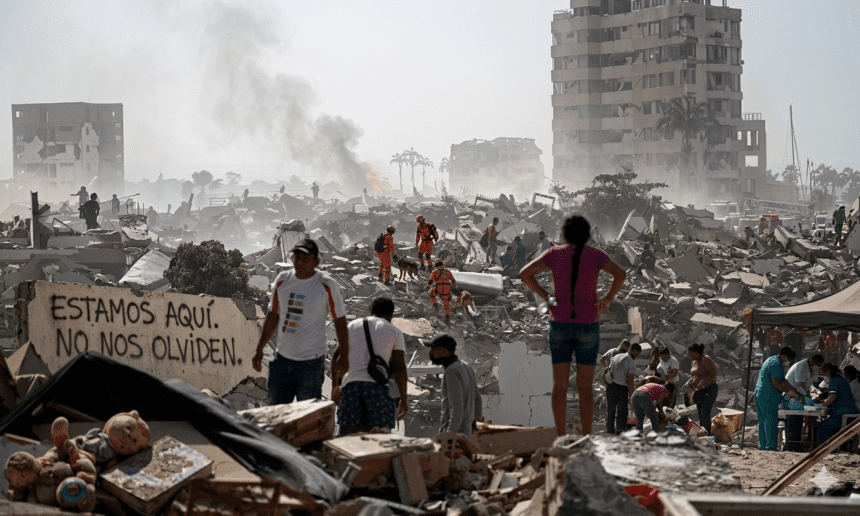
Foreign rescue teams and humanitarian aid began arriving in Venezuela on Friday, nearly two days after devastating twin earthquakes flattened major areas in and around the capital city of Caracas. Interim President Delcy Rodriguez announced that the official death toll has risen to 589, a figure that United Nations Aid Chief Tom Fletcher warned is likely to rise significantly. The government has also confirmed 2,980 injuries, while an online registry tracking missing individuals reached 50,000 listings by Friday morning. The catastrophic magnitude 7.2 and 7.5 tremors, which struck on Wednesday evening during a public holiday, have left up to seven million people vulnerable according to the UN migration body, eclipsing the country’s historic 1967 earthquake to become the deadliest in its modern history.
The coastal city of La Guaira remains the worst-affected zone, where at least 100 buildings—including high-rise residential apartments—were completely destroyed. Frustrated residents in the disaster areas have criticized the patchy and uneven deployment of state heavy machinery, forcing families to comb through massive concrete slabs using their bare hands and basic tools to locate trapped relatives. In response to the slow official deployment, everyday citizens have organized ad-hoc relief networks, including large motorcycle caravans carrying food and essential supplies from Caracas and Valencia directly to the coastal ruins. Near the epicenter in the seaside town of Morón, residential structures have completely crumpled, leaving survivors entirely without electricity or running water as they salvage basic household items.
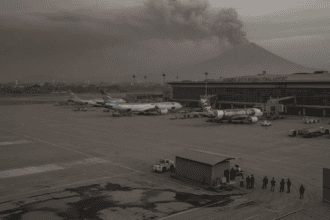
The international community has launched a coordinated relief operation across geopolitical divides to assist the economically strained nation. Specialized teams from the Dominican Republic were the first to arrive, followed by 250 rescuers from Mexico, 188 from El Salvador, nearly 100 from Spain, and a Colombian Air Force contingent of 63 crew members. European nations, including Switzerland and Germany, have dispatched rescue crews equipped with search dogs and specialized subterranean sound gear. In a significant policy shift, the United States mobilized $150 million in aid and temporarily eased long-standing economic sanctions to permit unrestricted disaster relief. US Secretary of State Marco Rubio confirmed that the Pentagon will deploy assets to help manage and repair Caracas’ heavily damaged international airport. Meanwhile, operations within Venezuela’s vital oil sector have reportedly escaped major structural disruption, and the closed Caracas Stock Exchange has been entirely repurposed as a centralized aid collection and distribution center.