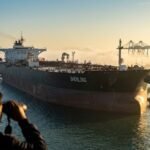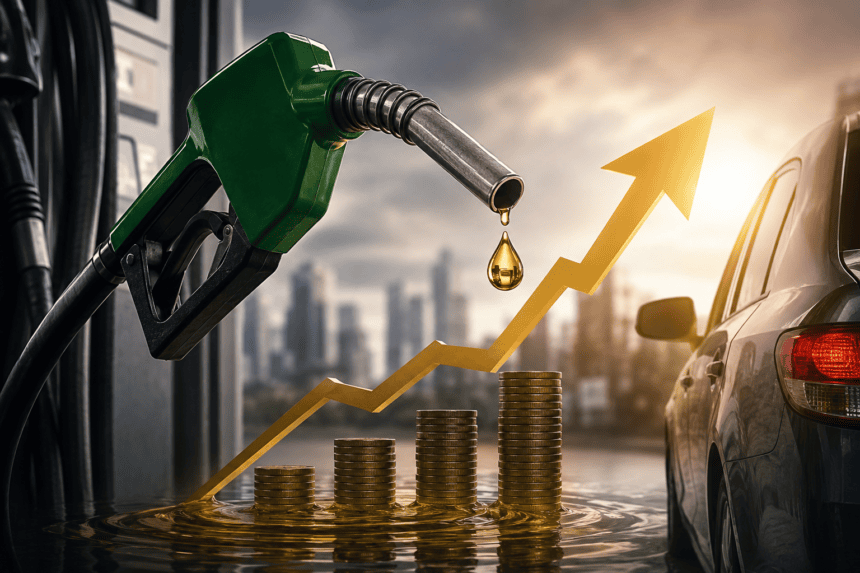
The government has jacked up the price of high-speed diesel by Rs31.05 per litre, while petrol will cost Rs5.44 more starting midnight. This steep adjustment follows a cabinet decision to withdraw remaining fuel subsidies, a move analysts say was unavoidable to secure the latest tranche of the International Monetary Fund’s bailout package.
The new rates see diesel climbing to Rs283.45 per litre, while petrol now sits at Rs288.49. This is the second consecutive hike in a matter of weeks, placing immediate pressure on the transport sector and the cost of essential goods.
The finance ministry confirmed the price revision in a brief late-night notification. Officials framed the move as a “fiscal necessity” to stabilize the economy, though they offered no relief measures for the low-income households that rely on public transport.
For the average citizen, the math is brutal. Diesel, the primary fuel for the country’s trucking and logistics network, directly dictates the price of food and manufactured items. When diesel prices spike, the cost of moving vegetables from the farm to the city market rises almost instantly.
“We are already running on losses,” said a local transporter at a busy terminal in Rawalpindi. “If we pass this cost to the consumer, nobody buys. If we don’t, we park the trucks. There is no middle ground left.”
The government is walking a tightrope. Finance managers are under immense pressure to show the IMF that the national budget is under control, but the political cost of such aggressive tax collection is mounting. With inflation already hovering near record highs, this latest round of price hikes threatens to deepen the public’s economic frustration.
While the finance ministry insists these measures are the only path to economic recovery, the lack of a concurrent plan to cushion the impact on the poor remains the biggest gap in their strategy.
For now, the pumps have updated their boards, and the cost of doing business in the country has just gone up again.