LONDON:
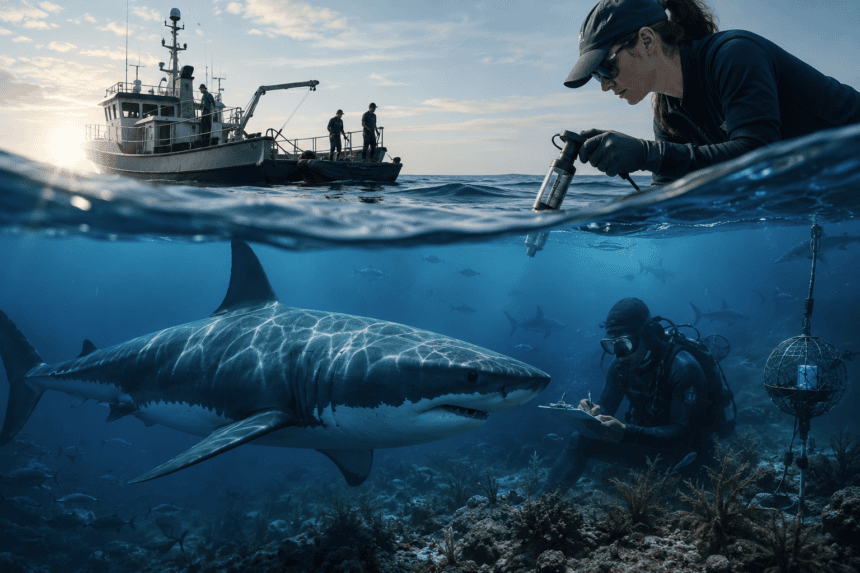
A team of shark scientists has been awarded a £1 million grant to strengthen research and conservation efforts aimed at protecting shark populations, many of which are facing increasing threats from overfishing, habitat loss, pollution, and climate change.
The funding will support a range of scientific projects focused on monitoring shark populations, tracking migration patterns, studying breeding behavior, and improving understanding of the role sharks play in maintaining healthy marine ecosystems. Researchers believe the findings will help shape more effective conservation policies and fisheries management strategies.
Marine experts emphasize that sharks are apex predators and play a vital role in maintaining the balance of ocean ecosystems. By regulating the populations of other marine species, sharks help preserve biodiversity and contribute to the overall health of the world’s oceans. A decline in shark populations can disrupt marine food chains and negatively impact fisheries and coastal environments.
The grant will enable scientists to use advanced technologies such as satellite tagging, underwater monitoring systems, drones, and genetic analysis to gather more accurate data on shark movements and population trends. Researchers also plan to identify critical habitats that require stronger protection from human activities.
In addition to scientific research, the project will include public awareness campaigns designed to educate communities about the ecological importance of sharks and challenge common misconceptions that portray them solely as dangerous predators. Conservationists say improving public understanding is essential for gaining support for long-term protection measures.
The initiative will involve collaboration between universities, marine research institutions, and environmental organizations, allowing experts to share data and develop coordinated conservation strategies across different regions.
Scientists hope the investment will lead to stronger protection for threatened shark species and contribute to global efforts to preserve marine biodiversity. They stress that continued research, international cooperation, and sustainable ocean management will be essential to ensuring the survival of sharks for future generations.