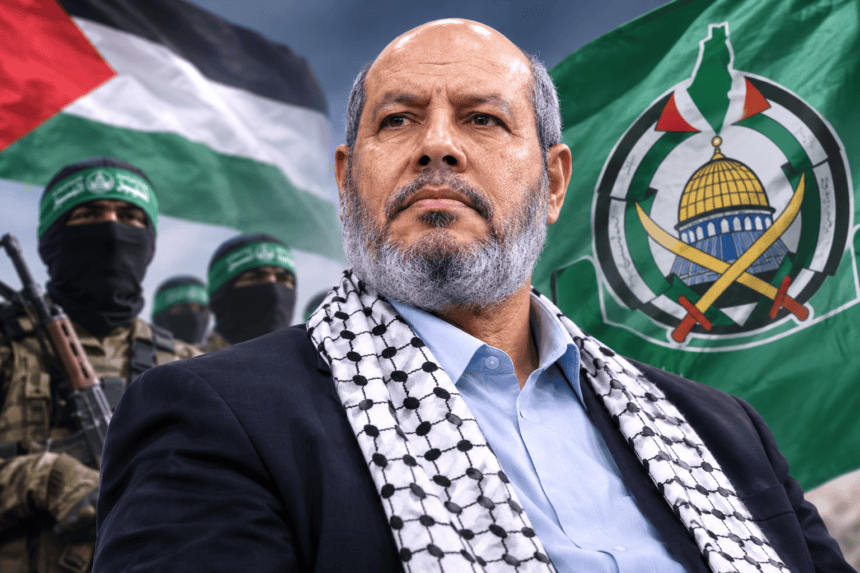
Hamas has appointed Khalil al-Hayya as the group’s new political leader, signaling a shift in the organization’s power structure following the death of Yahya Sinwar. Al-Hayya, a long-time deputy and veteran negotiator, will now oversee the group’s operations from Doha, Qatar.
His selection confirms a transition toward a leadership model heavily influenced by the group’s external offices. While Sinwar represented the militant core based in Gaza, al-Hayya is a seasoned diplomat who has navigated years of indirect talks with Israel, mediated largely by Egypt and Qatar.
The move marks a pivot in strategy. Al-Hayya’s background is rooted in political maneuvering rather than battlefield command. For months, he has served as the lead negotiator in ceasefire talks, maintaining a consistent presence in Cairo and Doha. By elevating him, Hamas is signaling a potential desire to stabilize its external communications, even as the conflict inside Gaza remains at a volatile impasse.
Critics and regional analysts argue that his appointment may not alter the group’s fundamental stance on the war. Despite his diplomatic experience, al-Hayya remains a staunch hardliner. He has frequently echoed the group’s core demands: a permanent Israeli withdrawal from Gaza and the release of high-profile Palestinian prisoners.
The decision also clarifies the chain of command after the vacuum left by Sinwar’s death in a skirmish with Israeli forces in Rafah last October. Internal power struggles were anticipated following such a high-profile loss; however, the swift confirmation of al-Hayya suggests a desire to project unity to both its base and its international interlocutors.
For the mediators in Doha and Cairo, the change brings a familiar face to the table. They have spent years working with him across various negotiation rounds. Whether this familiarity creates enough friction to break the current deadlock in hostage and ceasefire negotiations, however, remains to be seen.
Al-Hayya’s tenure begins under the shadow of a degraded military infrastructure and mounting pressure from a war-weary population in Gaza. He inherits a decimated leadership structure and an organization that has seen its operational capacity significantly curtailed over the past year.
His first test will be whether he can leverage his diplomatic experience to secure a deal that provides a reprieve for Gaza without surrendering the leverage the group still holds regarding the remaining hostages.