England’s chalk streams are dying. Of the 200 or so globally recognized chalk streams, 85% are found in England, yet these rare, crystal-clear habitats are currently struggling against a lethal combination of sewage pollution, chemical runoff, and chronic water abstraction.
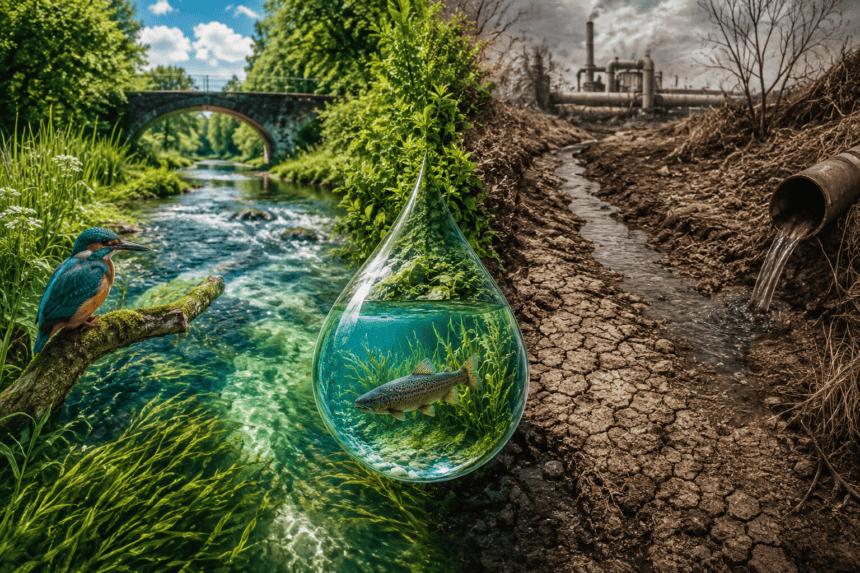
These rivers, fed by groundwater filtering through chalk aquifers, have historically maintained stable temperatures and high oxygen levels. They once served as the lifeblood for wild brown trout, Atlantic salmon, and the endangered water vole. Now, many run dry for months at a time, leaving behind cracked riverbeds instead of flowing channels.
The primary culprit is the sheer volume of water being siphoned off for human consumption. Water companies, operating under decades-old licenses, continue to pump millions of liters daily from the underlying aquifers. As the water table drops, the streams lose their source, turning vibrant ecosystems into stagnant ponds or gravel pits.
“We are essentially drinking our rivers dry,” says Mark Lloyd, a lead campaigner for river restoration. “The licenses granted years ago ignore modern climate realities. We’re seeing species disappear before we’ve even managed to address the basic flow issues.”
Pollution compounds the disaster. Regulatory data from the Environment Agency indicates that almost every chalk stream in England fails to meet “good” chemical status. Storm overflows—designed for extreme weather—now trigger constantly, dumping raw sewage into these sensitive waters even during minor rainfall. The resulting nutrient overload fuels algal blooms that suffocate the aquatic life below the surface.
While the government recently pledged to prioritize the restoration of these streams, critics argue that the proposed timelines are too slow. Current legislative efforts focus on tightening “storm overflow” regulations, but environmental groups point out that this does nothing to stop the underlying issue: the physical lack of water in the channel.
The fate of these streams rests on whether regulators can force water companies to reduce extraction rates during dry spells. Without a drastic overhaul of how water is managed, the unique biodiversity of these chalk-fed habitats will vanish, leaving behind nothing more than dry, debris-filled ditches.
For now, the water continues to recede, and the ticking clock on these ecosystems is growing louder.