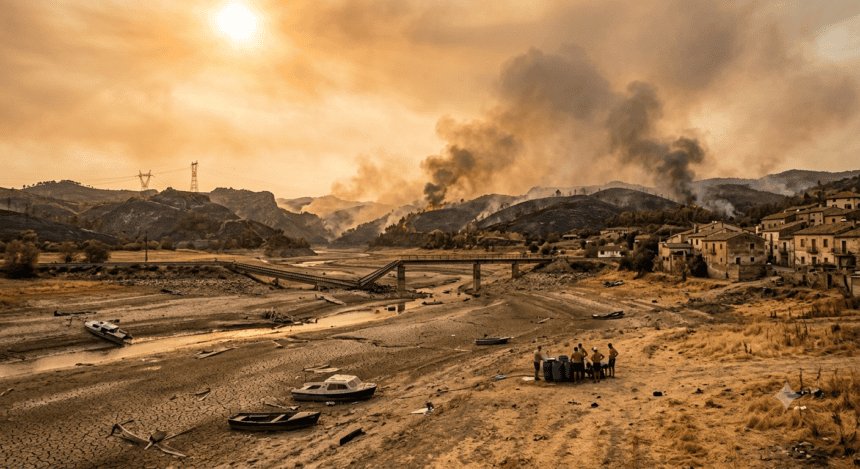
Europe’s record-shattering summer of 2024 wasn’t just a seasonal anomaly; it was a structural stress test the continent failed. From the scorched vineyards of Italy to the flooded basins of Central Europe, the climate crisis has shifted from a distant policy discussion to a daily economic disruptor.
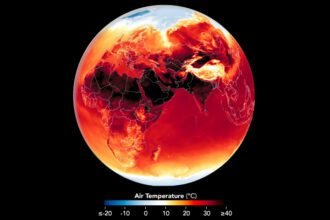
The numbers are stark. Copernicus Climate Change Service data confirmed this past August as the hottest on record globally, with European temperatures reaching levels that pushed infrastructure to the brink. It wasn’t just the heat. The frantic oscillation between extreme drought and sudden, violent rainfall events—a phenomenon meteorologists call “weather whiplash”—has left municipal budgets in tatters.
Farmers are the first to feel the sting. In Spain and Italy, wheat and olive oil yields plummeted for the second consecutive year. Retail prices for staples like olive oil jumped by nearly 50% in some markets, a direct consequence of prolonged heat waves that withered crops before they could reach maturity. The European Central Bank has already signaled that these “climate-flation” shocks are complicating their efforts to stabilize consumer prices.
Infrastructure, designed for the temperate climate of the 20th century, is buckling. Rail networks in Germany and France faced frequent shutdowns as tracks warped under unprecedented heat, while energy grids struggled to balance the surge in air conditioning demand with the loss of hydroelectric power in dried-up reservoirs.
“We are managing a permanent state of emergency,” said an infrastructure consultant working with the EU’s adaptation task force. He pointed out that retrofitting thousands of miles of rail and cooling city centers isn’t just a technical challenge—it’s a multi-billion euro bill that no member state has fully accounted for in their long-term budgets.
The political fallout is brewing. As governments scramble to fund disaster relief, the divide between northern and southern member states over the EU’s Green Deal is widening. Southern leaders are demanding faster, more aggressive funding for climate adaptation, while northern capitals remain wary of the fiscal burden.
The summer of 2024 proved that Europe’s current adaptation strategies are reactive, not preventative. Until the continent shifts from financing recovery to aggressively re-engineering its infrastructure for a hotter reality, these “extreme” summers will remain the new, expensive baseline.