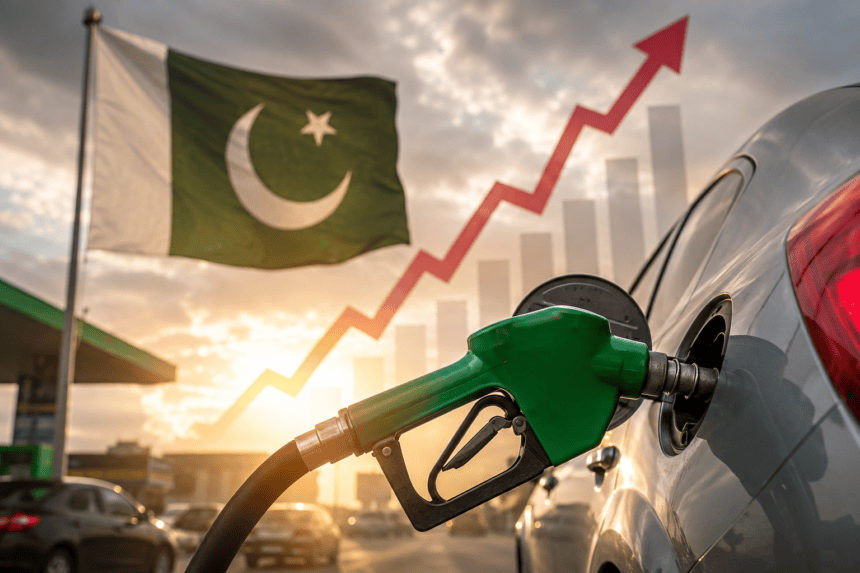
The federal government announced on Friday that petrol prices will remain unchanged for the first half of August. The decision comes after a week of intense speculation regarding potential hikes driven by fluctuations in global oil benchmarks and the rupee’s recent performance against the dollar.
Finance Minister Muhammad Aurangzeb confirmed the status quo in a brief briefing, noting that the current retail price—set at Rs 275.60 per liter—will hold steady until the next review cycle.
“We’ve managed to absorb the impact of international price volatility through the existing tax structure,” the minister told reporters. He stopped short of promising long-term stability, acknowledging that global supply chain disruptions remain a persistent threat to domestic fuel costs.
For the average consumer, this pause provides a temporary reprieve. Transport costs, which typically spike following fuel hikes, are expected to remain flat. However, logistics companies remain wary. Market analysts suggest that while this move eases immediate inflationary pressure, the government’s fiscal space is tightening.
The decision was largely influenced by the latest data from Pakistan State Oil (PSO), which showed a marginal dip in import premiums. By capitalizing on these minor savings, the government avoided passing the burden to the pump.
Despite the stability, the broader economic picture stays fragile. Fuel prices remain tethered to the ongoing IMF program requirements, which mandate the full pass-through of costs. Any significant jump in global crude prices in the coming weeks will likely force the government’s hand by mid-August.
For now, the price at the pump stays exactly where it was yesterday. Whether that changes in the next fortnight depends entirely on the volatility of the global energy market and the strength of the local currency.