The heat isn’t breaking anytime soon. Meteorologists tracking the current dry spell say the high-pressure ridge parked over the region is holding firm, effectively blocking incoming storm systems and pushing any meaningful precipitation well into next month.
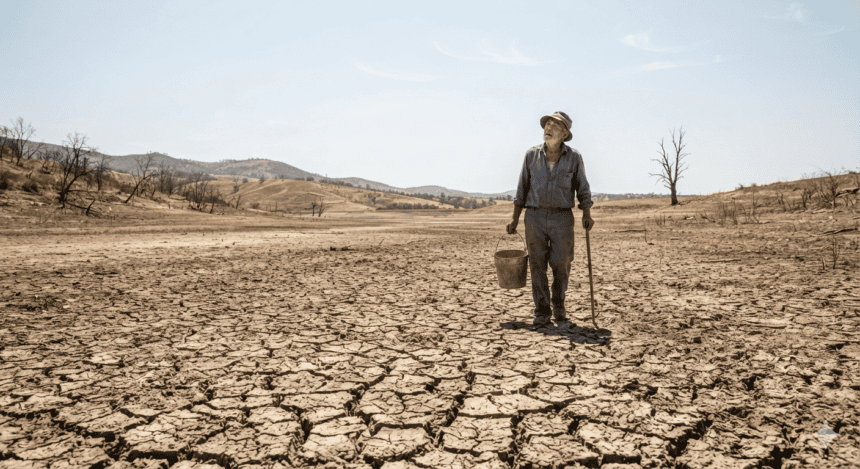
For farmers and municipal water managers, the outlook is bleak. Soil moisture levels have plummeted to historic lows, and reservoirs that were already struggling to recover from last year’s dry winter are now dipping toward critical thresholds. The state’s water board isn’t waiting for the clouds to shift—they’ve already begun drafting stricter rationing measures for the coming weeks.
“We’re past the point where a light shower helps,” said David Miller, a senior hydrologist at the regional drought monitoring center. “The ground is baked hard. We need sustained, soaking rains, and the models simply aren’t showing that for the immediate future.”
The economic ripple effects are already hitting the agricultural sector. Crop yields for late-season harvests are projected to drop by at least 15%, with livestock producers facing rising feed costs as local grazing lands turn to dust. In the rural counties, where private wells are the primary water source, reports of dry taps are climbing daily.
Local government officials are scrambling to manage the fallout. Some towns have implemented mandatory bans on outdoor watering, while others are exploring emergency water shipments to prevent total depletion of local supplies. These stopgap measures are buying time, but they aren’t solving the underlying shortage.
The long-range forecast offers a sliver of hope, with climate patterns suggesting a shift in atmospheric pressure toward the end of the month. However, meteorologists warn that even a return to seasonal norms won’t be enough to reverse the damage done by the current heat.
Until the patterns change, the focus remains on conservation. For now, the region is betting on a change in the wind—but the water meters are still ticking downward.