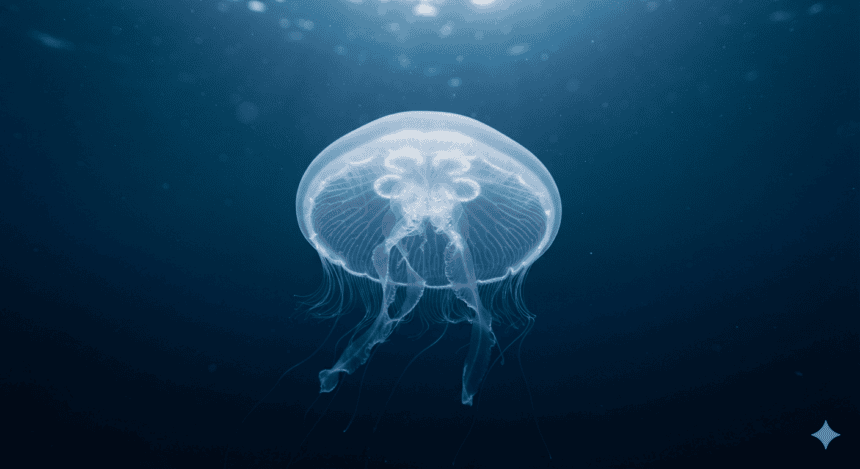
Marine scientists are closely monitoring a significant jellyfish bloom as growing numbers of jellyfish have been reported along several coastlines, raising concerns about marine ecosystems, fisheries, tourism, and public safety.
According to researchers, jellyfish blooms occur when environmental conditions become favorable for rapid population growth. Warmer ocean temperatures, changing ocean currents, increased nutrient levels, and the decline of natural predators are among the factors believed to contribute to these large gatherings.
Scientists are using satellite imagery, underwater surveys, drones, and ocean-monitoring sensors to track the movement and size of the blooms. The collected data helps researchers predict where jellyfish are likely to drift and assess their potential impact on coastal communities.
Marine experts warn that large jellyfish blooms can disrupt fishing operations by clogging nets, damaging equipment, and reducing fish catches. In some cases, jellyfish can also block cooling systems at coastal power plants and industrial facilities, leading to temporary shutdowns.
For beachgoers, the increase in jellyfish raises the risk of painful stings. Authorities are advising swimmers to follow local safety warnings, avoid touching jellyfish—whether alive or washed ashore—and seek medical attention if severe allergic reactions occur.
Scientists emphasize that jellyfish play an important role in marine food webs, serving as both predators and prey. However, unusually large blooms may indicate broader environmental changes, including shifts linked to climate change, overfishing, and coastal pollution.
Researchers continue to study whether the recent increase represents a temporary seasonal event or part of a longer-term ecological trend. Understanding these blooms is considered essential for protecting marine biodiversity and improving coastal management strategies.
Experts say continued monitoring will help governments and coastal communities prepare for future jellyfish outbreaks while advancing scientific knowledge of changing ocean ecosystems.