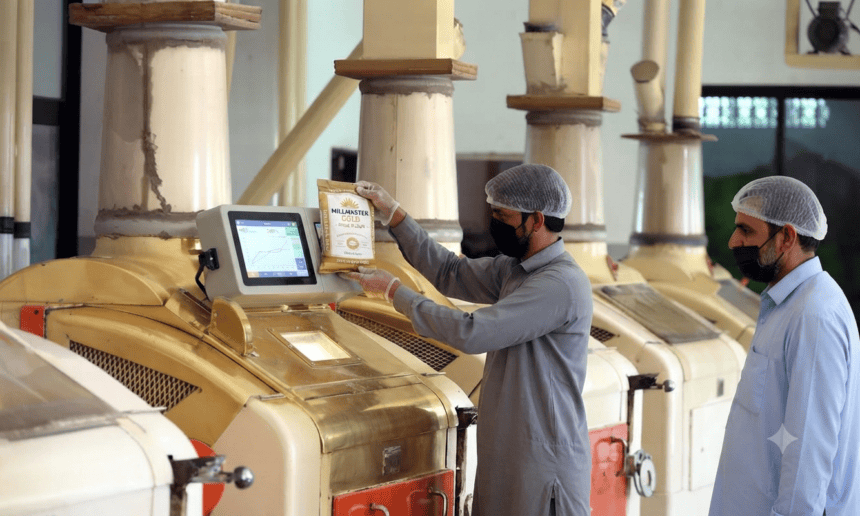
KARACHI — Despite a 4.3 percent increase in domestic wheat production during FY26, the federal government’s decision to import one million tonnes of grain has failed to arrest the upward trajectory of wheat and flour prices across Pakistan. According to Sensitive Price Index (SPI) data for the week ending July 30, national average prices for a 20kg flour bag, 10kg wheat, and one kilogram of fine flour climbed to Rs2,200–3,133, Rs1,223, and Rs152.14 respectively, up from previous weeks. In Karachi, flour millers raised rates further, pushing 50kg bags of No. 2.5 flour, maida, and fine flour to Rs6,675, Rs7,325, and Rs7,475. Market analysts attribute the persistent price hikes to speculative hoarding, an absence of effective price-checking mechanisms, and a significant shortfall between estimated output and actual national consumption.
The government’s import strategy has also sparked a debate among key stakeholders regarding production statistics and supply chain management. Karachi Wholesalers Grocers Association (KWGA) Chairman Rauf Ibrahim questioned official output figures, estimating actual production closer to 27 million tonnes against a 32 million tonne demand, and warned that prices will remain under pressure until imported stocks arrive. He cautioned against private sector imports, citing risks of cartelisation, and urged the government to increase import volumes to four million tonnes. Conversely, Cereal Association of Pakistan (CAP) Chairman Muzammil Chappal argued that the private sector is fully equipped to handle commercial procurement independently without placing financial burdens on the national exchequer, pointing to past successes in stabilizing domestic supplies.