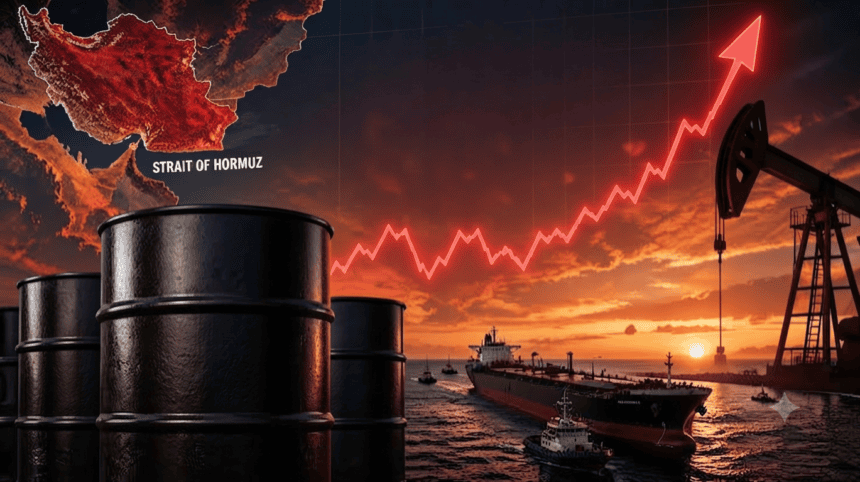
KARACHI — The influx of smuggled Iranian oil into Pakistan has experienced a sharp decline following a series of attacks on oil tankers inside Balochistan over the past month and a half, inflicting heavy financial losses on those operating the illicit supply chains. According to oil sector sources, while the illegal trade had persisted for years despite industry protests, it surged dramatically after the outbreak of the US-Israeli conflict on February 28, which sent global crude prices soaring past $100 per barrel and closed the vital Strait of Hormuz. Although regional fuel reserves dwindled and countries dependent on imported energy faced severe pressures, Pakistan managed to avert formal fuel rationing—unlike neighbors such as India, Bangladesh, and Sri Lanka—largely due to the steady, albeit unauthorized, availability of Iranian petroleum products stretching from Balochistan through Sindh and into parts of Punjab.
Industry insiders estimate that the volume of smuggled Iranian oil has dropped by at least 60 percent due to security disruptions. The illegal trade, which forms a significant portion of the over $2 billion annual cross-border commerce with Iran, was reportedly overlooked by authorities during the height of the crisis to preempt severe domestic shortages and cushion the economy. Meanwhile, official figures from the Pakistan Bureau of Statistics indicate that the country spent a record $16.86 billion on legal petroleum imports in FY26, accounting for roughly 22 percent of the total import bill, compared to $15.94 billion in FY25. While the government consistently passed surging global prices on to domestic consumers, the covert influx of cheaper border fuel played a critical, if informal, role in maintaining national energy supplies during a turbulent period.