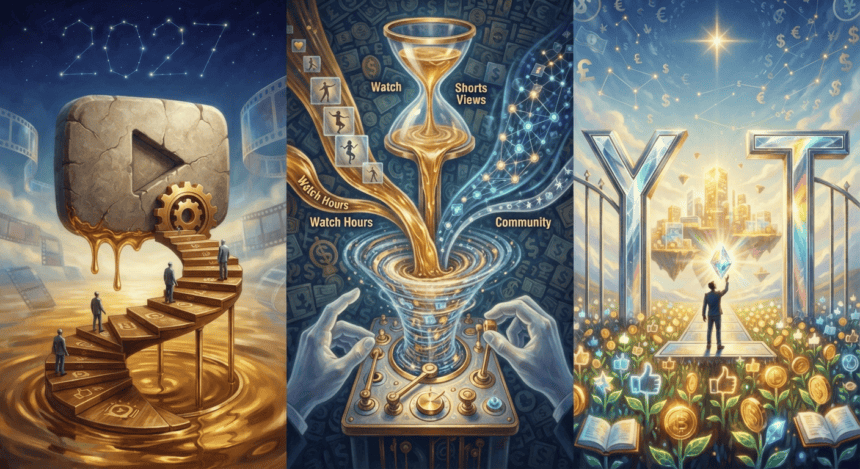
YouTube is preparing a significant shake-up to its monetization structure, with a new policy framework set to take effect in 2027. The platform plans to pivot away from traditional ad-revenue reliance, shifting toward a model that prioritizes direct fan-funding and integrated e-commerce features.
The change signals an end to the era where creators could rely solely on automated ad placements to sustain their channels. While the company has not released the full technical documentation, internal briefings suggest that “AdSense-only” creators will see their earnings decline unless they diversify their income streams.
YouTube’s Chief Product Officer, Neal Mohan, recently hinted at this shift, framing it as a move to give creators more control over their financial futures.
“We aren’t just a video site anymore,” a senior YouTube partnership manager told a group of top-tier creators during a recent invite-only summit. “The goal for 2027 is to ensure that a creator’s income is tied to their community’s engagement, not just the fluctuations of the broader advertising market.”
For creators, the stakes are high. The new rules will likely impose stricter eligibility criteria for the Partner Program, effectively “weeding out” inactive or low-engagement channels. Those who survive the transition will be pushed toward “fan-first” tools—such as gated content, digital product sales, and enhanced membership tiers.
Critics argue this transition essentially offloads the financial risk from YouTube onto the creator. If a channel fails to convert viewers into paying subscribers, the platform’s new algorithm—designed to favor creators who utilize these monetization tools—may bury their content in the feed.
The shift mirrors broader trends in the creator economy, where platforms are desperately trying to reduce their reliance on the volatile digital advertising market. By forcing creators to build businesses rather than just channels, YouTube is betting that it can keep its most valuable talent ecosystem stable, even if the ad market crashes.
Starting in January 2027, the “monetization tab” in YouTube Studio will look entirely different. Creators who haven’t set up alternative revenue streams by then will be the first to notice the dip in their monthly payouts.
The strategy is clear: YouTube wants you to stop thinking like a broadcaster and start running a business. Those who refuse to adapt may find themselves with plenty of views but very little revenue to show for it.