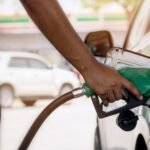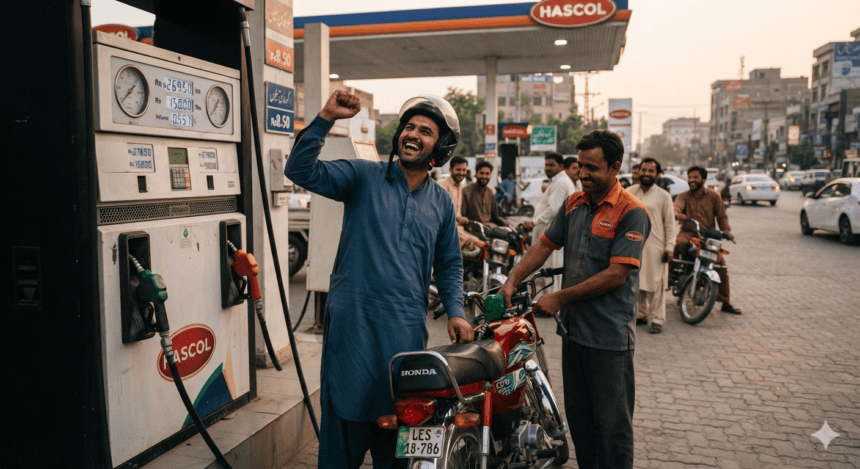
The federal government announced a significant reduction in fuel prices late Tuesday, offering a rare reprieve to motorists struggling with persistent inflation. Effective August 19, the price of petrol drops by Rs8.50 per litre, bringing the new rate to Rs260.50.
High-speed diesel also saw a price cut, falling by Rs6.40 to settle at Rs266.15 per litre.
The decision follows a downward trend in international oil markets over the past fortnight. Domestic fuel prices in Pakistan are tethered to global benchmarks and the rupee-dollar exchange rate; when the global market eases, the state-run Oil and Gas Regulatory Authority (OGRA) passes the adjustment to the consumer.
For the average commuter, the relief is immediate but tempered. While the cost of filling a tank has dipped, the broader economic impact remains uncertain. Transport fares and the cost of essential goods—often inflated by fuel prices—rarely drop with the same speed as the pump price.
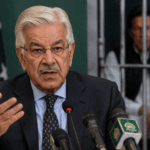
“We are monitoring the international market closely,” said a senior official from the Petroleum Division, speaking on condition of anonymity. “If the global trend continues, we expect further adjustments in the next review cycle.”
Critics argue the reduction is insufficient given the broader cost-of-living crisis. Independent analysts point out that despite these cuts, the cumulative tax burden on fuel—including the petroleum development levy—keeps prices significantly higher than they would be under a free-market mechanism.
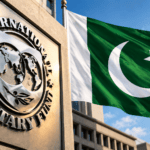
The government is currently navigating a delicate balancing act: maintaining tax revenue to meet IMF fiscal targets while trying to keep public frustration over utility costs from boiling over.
Whether this reduction will trigger a dip in food and commodity prices remains the primary question. For now, the only certainty for the Pakistani household is a slightly smaller bill at the gas station—a small, but welcome, change.