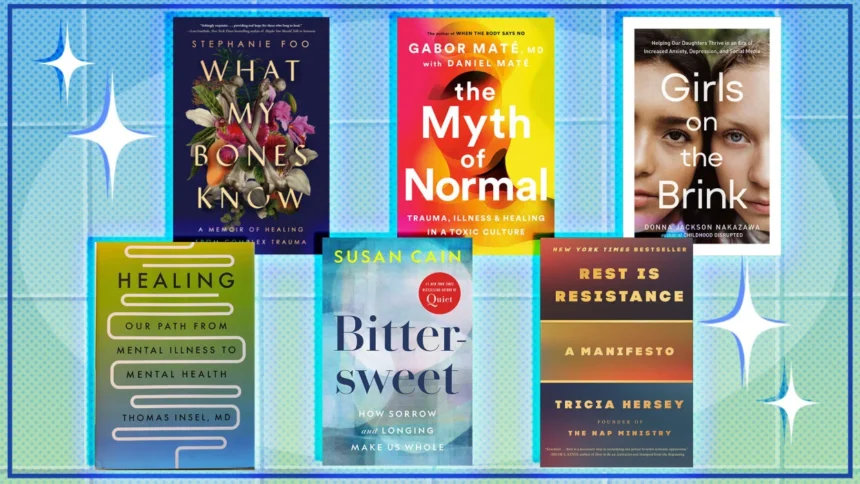
Depression is a mental health condition that can affect mood, energy, concentration, sleep, relationships and everyday activities. Alongside professional support, books can help people better understand depression, recognize difficult thought patterns and explore practical coping strategies.
Different books focus on different aspects of depression, including cognitive behavioral therapy (CBT), self-compassion, stress management, positive thinking and understanding depressive symptoms. Choosing a book written by a qualified mental health professional can help readers find more reliable information.
1. Depression-Free, Naturally
Depression-Free, Naturally focuses on identifying emotional and behavioral symptoms and offers strategies aimed at stabilizing mood. The book also discusses the possible role of vitamins and minerals in mental health.
2. Feeling Good: The New Mood Therapy
Written by psychiatrist David D. Burns, Feeling Good uses concepts associated with cognitive therapy. It explores ways of recognizing unhelpful thinking patterns, dealing with guilt and criticism, and developing more constructive ways of thinking.
3. This Is Depression
This Is Depression by psychiatrist Diane McIntosh is designed for people experiencing depression as well as those who want to understand the condition better. It discusses possible causes, treatment options and ways to talk about depression with healthcare professionals, friends and colleagues.
4. Learned Hopefulness
Dan Tomasulo’s Learned Hopefulness focuses on developing hope, motivation and resilience. It encourages readers to identify their strengths and develop a more positive outlook when dealing with feelings of hopelessness.
5. Cognitive Behavioral Therapy Made Simple
This book by Seth J. Gillihan introduces practical CBT strategies for managing depression, anxiety, anger, panic and worry. Readers can learn to identify negative thoughts and work toward healthier and more constructive responses.
6. Maybe You Should Talk to Someone
Lori Gottlieb’s Maybe You Should Talk to Someone shares the experiences of people undergoing therapy, including the author’s own experience. It provides a personal perspective on therapy, emotional struggles and the challenges people face in their everyday lives.
7. 101 Ways to Be Less Stressed
This book by Caroline Leaf focuses on self-care and strategies for managing stress and improving mood. It may be useful for readers who want practical ideas for dealing with difficult situations and supporting their mental well-being.
8. Overcoming Unwanted Intrusive Thoughts
Written by Sally M. Winston and Martin N. Seif, this CBT-based guide addresses frightening, obsessive or disturbing thoughts. It provides strategies for understanding intrusive thoughts and learning how to respond to them without allowing them to control everyday life.
9. Parenting the New Teen in the Age of Anxiety
Parents may find this book helpful when trying to understand the emotional challenges teenagers can experience. It discusses anxiety, depression and the social, academic and family pressures that can affect adolescents.
10. The Happiness Trap
Russ Harris’s The Happiness Trap is based on Acceptance and Commitment Therapy (ACT). It focuses on dealing with difficult emotions, reducing self-doubt and developing psychological flexibility rather than constantly trying to eliminate uncomfortable feelings.
11. Self-Compassion
Kristin Neff’s Self-Compassion explores how treating yourself with greater kindness may help reduce harsh self-criticism and emotional difficulties. The book includes practical exercises and examples designed to encourage a more compassionate approach to yourself.
How to Choose a Book About Depression
The best choice depends on what the reader wants to understand or work on. Someone interested in practical exercises may prefer a CBT workbook, while another reader may want information about symptoms, treatment or emotional well-being.
Before choosing a book, consider the author’s qualifications, the book’s focus, available formats and reviews. Medical News Today recommends checking whether authors have appropriate backgrounds in psychology, psychotherapy or mental health.
Can Books Replace Professional Treatment?
Books can provide useful information and self-help strategies, but they should not be considered a replacement for professional mental healthcare. Depression can be serious, and people experiencing persistent symptoms or significant difficulties in daily life should speak with a qualified healthcare professional.
Anyone experiencing thoughts of suicide or self-harm should seek urgent professional help or contact local emergency services or a crisis service.
Conclusion
Reading about depression can help people understand their emotions, recognize unhelpful thought patterns and explore different coping strategies. From CBT-based guides to books about hope and self-compassion, these 11 books offer different perspectives on depression and mental well-being. The most appropriate resource will depend on an individual’s needs, and professional support remains important when depression is persistent or severe.