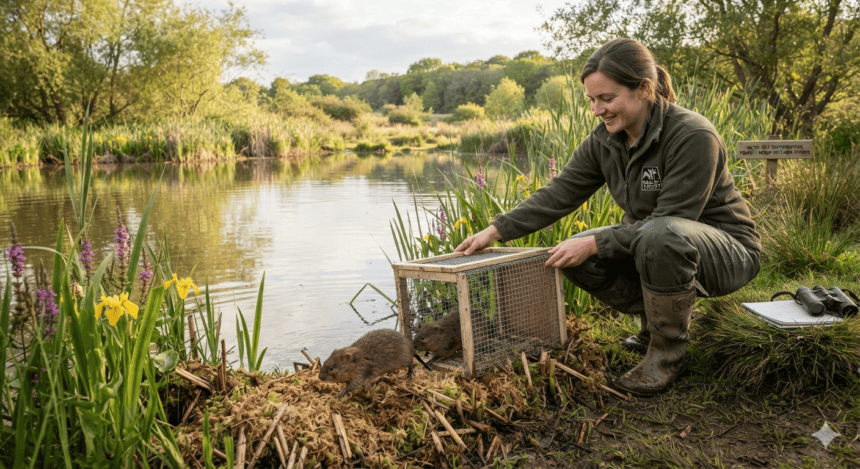
Water voles have been released into the wild at a nature reserve in the Cotswolds, marking a significant step in restoring a population that had vanished from the area over ten years ago. Conservationists released 50 of the rodents into the wetland habitat Thursday, hoping the colony will establish a permanent foothold in the region.
The project, led by the Gloucestershire Wildlife Trust, aims to reverse the decline of a species once common in British waterways but now listed as endangered. Habitat loss and the spread of invasive American mink pushed the voles to the brink, leaving them absent from much of their historic range.
“We’ve spent two years preparing this site,” said the project lead, Sarah Jenkins. “It isn’t just about dropping animals into a pond; it’s about making sure the water quality and vegetation can support a breeding population through the winter.”
The voles were sourced from a healthy, captive-bred population in Devon. Each animal underwent health screenings before transport to ensure they wouldn’t introduce disease to the local ecosystem. Researchers fitted a small number of the rodents with radio trackers to monitor their movement and nesting habits over the coming months.
Water voles act as a “keystone” species. Their presence signals a healthy wetland, and their burrowing activity creates niches for other plants and insects to thrive. Without them, the ecological balance of the reserve had shifted, leaving gaps in the food chain that predators like herons and otters rely on.
This reintroduction follows a nationwide trend of “rewilding” efforts aimed at restoring biodiversity. While the release provides a boost to the local population, experts warn that the long-term success of the project hinges on continuous predator control.
The team plans to monitor the site daily for the first week, then shift to weekly surveys. If the colony survives the winter, conservationists expect the first litter of pups to emerge by late spring.
For now, the voles are settling into their new burrows — a small but critical victory for a species that nearly disappeared from the English landscape entirely.