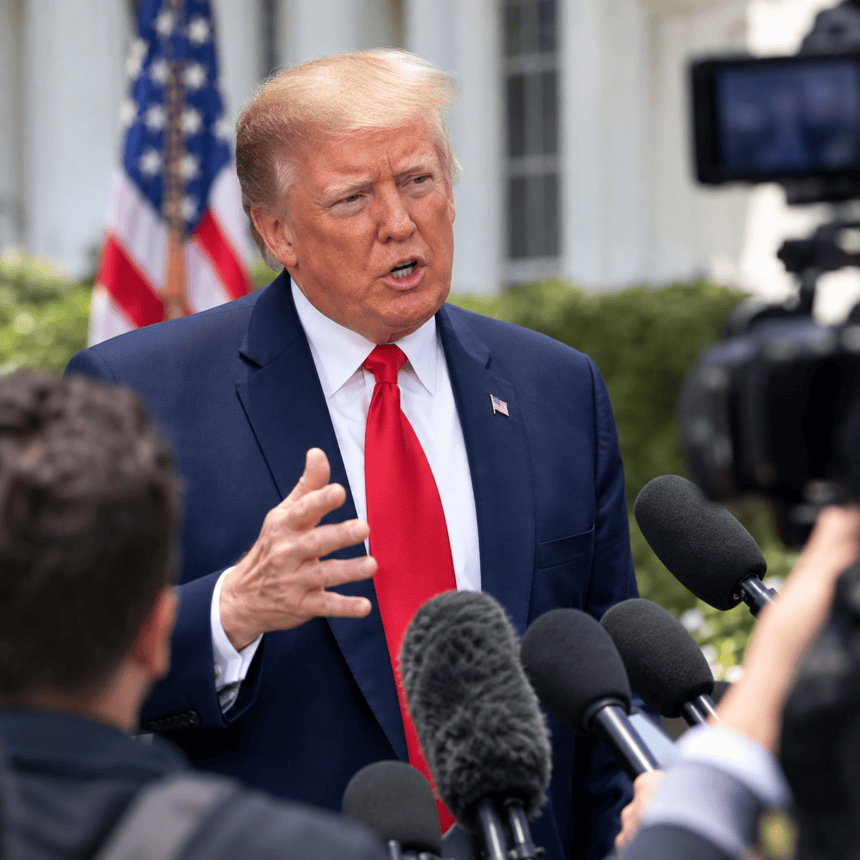
Donald Trump is reviving his adversarial stance toward mainstream media, threatening to revoke press credentials for CNN and Politico should he return to the White House. He characterized both outlets as “enemies of the people” during a recent rally, citing what he calls “unfair and dishonest” coverage of his campaign.
The threat marks a return to the friction that defined his 2017-2021 term. Back then, the administration famously pulled the “hard pass” of CNN’s Jim Acosta, sparking a protracted legal battle that ultimately forced the White House to reinstate his access. Trump’s current rhetoric suggests a more aggressive strategy if he secures a second term.
“I’ll have them out of the building,” Trump told supporters in Pennsylvania, drawing cheers from the crowd. He specifically pointed to Politico’s reporting on his transition planning as a primary grievance, labeling the outlet a “propaganda machine.”
For the press corps, the warning is more than just rhetorical posturing. It raises fundamental questions about First Amendment access and the role of the White House press office. Legal analysts point out that while the White House has broad discretion over who receives a permanent pass, the courts have consistently ruled that the process must be transparent and cannot be used as a tool to silence viewpoint-based criticism.
CNN and Politico have largely declined to engage directly with the taunts. Behind the scenes, however, newsroom leaders are bracing for a potential repeat of the Acosta era, where the daily briefing room became a stage for political theater rather than information exchange.
The strategy carries a calculated risk. By framing the media as an opposition party, Trump energizes his base, but he also risks alienating independent voters who rely on traditional outlets for government transparency.
Whether this remains campaign trail bravado or becomes an executive order remains the central question for the Washington press corps. If he follows through, the legal challenges will likely start the day he takes the oath of office.