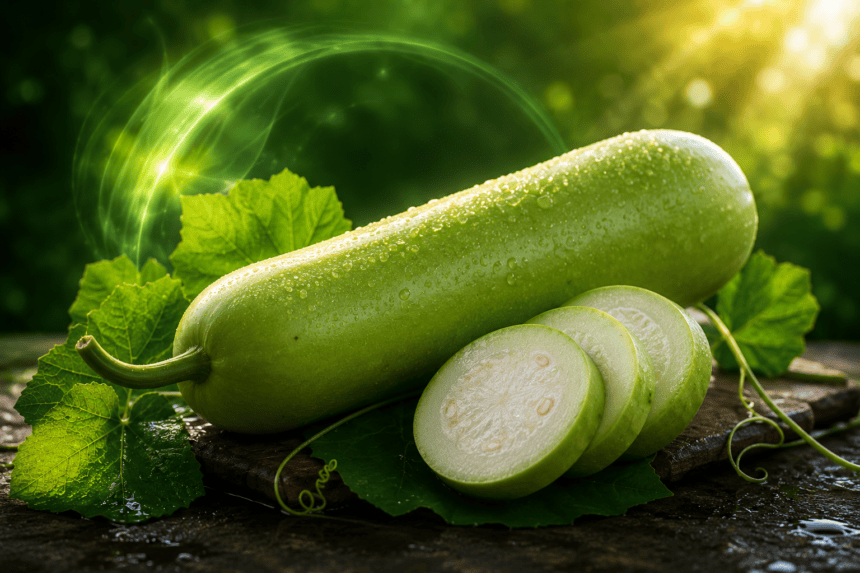
Bottle gourd, commonly known as lauki, is one of the most popular vegetables in South Asian cuisine. Although it is often overlooked because of its mild taste, this humble vegetable is packed with nutrients that can support overall health.
Made up of more than 90% water, bottle gourd is naturally low in calories and provides vitamins, minerals, and dietary fiber. It can be enjoyed in curries, soups, stews, juices, and even desserts.
But is lauki really as healthy as people claim? Let’s explore its nutritional value, potential health benefits, and the best ways to include it in your diet.
What Is Bottle Gourd?
Bottle gourd (Lagenaria siceraria) is a green vegetable that belongs to the gourd family. It has been cultivated for thousands of years and is widely used in Asian, African, and Mediterranean cuisines.
Because of its high water content and soft texture, it is easy to digest and suitable for many healthy recipes.
Nutritional Value
Bottle gourd contains several important nutrients, including:
- Vitamin C
- Vitamin B complex
- Potassium
- Magnesium
- Calcium
- Iron (small amounts)
- Dietary fiber
- Water
It is naturally low in fat and contains very few calories, making it a nutritious addition to many meals.
1. Supports Hydration
Since bottle gourd contains a large amount of water, it contributes to your daily fluid intake.
Eating water-rich vegetables may be especially helpful during hot weather when the body loses more fluids through sweating.
2. May Support Digestive Health
Bottle gourd contains dietary fiber, which helps support healthy digestion and regular bowel movements.
Its soft texture also makes it easy to digest for many people.
However, fiber works best when combined with adequate water intake.
3. A Good Choice for Weight Management
Because bottle gourd is low in calories but contains water and fiber, it can help make meals more filling without adding many calories.
Replacing higher-calorie foods with vegetables like lauki may support healthy weight management when combined with a balanced diet and regular exercise.
4. Supports Heart Health
Bottle gourd contains potassium, an important mineral involved in maintaining normal muscle and nerve function.
Potassium also helps maintain normal blood pressure by balancing the effects of sodium as part of an overall healthy diet.
5. Rich in Antioxidants
Bottle gourd provides antioxidants, including vitamin C, which help protect cells from oxidative stress.
A diet rich in fruits and vegetables supplies a variety of antioxidants that support overall health.
6. Easy to Include in Healthy Meals
Bottle gourd is extremely versatile.
You can enjoy it as:
- Vegetable curry
- Soup
- Stew
- Stuffed lauki
- Mixed with lentils
- Added to vegetable juices (only when prepared safely)
Adding spices, herbs, garlic, onions, and tomatoes can improve both flavor and nutrition.
Is Bottle Gourd Juice Safe?
Fresh bottle gourd juice has become popular in some health circles.
However, experts advise never drinking bottle gourd juice if it tastes bitter.
A bitter taste may indicate naturally occurring toxic compounds called cucurbitacins, which can cause serious illness including vomiting, diarrhea, and abdominal pain.
Always taste a small piece before preparing juice. If it tastes bitter, throw it away immediately.
Who Should Eat Bottle Gourd?
Bottle gourd can be enjoyed by most healthy people as part of a balanced diet.
People with medical conditions requiring special dietary advice should follow the guidance of their healthcare provider.
Tips for Cooking Bottle Gourd
- Choose fresh, firm vegetables with smooth skin.
- Wash thoroughly before cutting.
- Cook with lentils for extra protein.
- Add herbs and spices instead of excessive salt.
- Avoid overcooking to help preserve texture and nutrients.
The Bottom Line
Bottle gourd may not be the most exciting vegetable on your plate, but it is certainly one of the healthiest.
Its high water content, fiber, vitamins, and minerals make it a smart choice for people looking to eat more nutritious meals.
Rather than viewing lauki as a “boring vegetable,” think of it as a simple, affordable, and versatile food that can support a healthy lifestyle when enjoyed as part of a balanced diet.