By using this site, you agree to the Privacy Policy and Terms of Use.
Accept
Media HydeMedia Hyde
  • Home
  • Politics
  • Education
  • Entertainment
  • Sports
  • Blogs
  • Business & Commerce
  • Others
    • Religious
    • Metropolitan
    • Climate and Weather
Font ResizerAa
Media HydeMedia Hyde
Font ResizerAa
  • Home
  • Politics
  • Education
  • Entertainment
  • Sports
  • Blogs
  • Business & Commerce
  • Others
    • Religious
    • Metropolitan
    • Climate and Weather
Follow US
© 2026 Media Hyde Network. All Rights Reserved.
Health

CCHF: The ‘Nosebleed Fever’ Exploiting Climate Change to Reach New Borders

Last updated: May 15, 2026 10:39 pm
Misbah Jogyat
Share
CCHF: The ‘Nosebleed Fever’ Exploiting Climate Change to Reach New Borders
SHARE

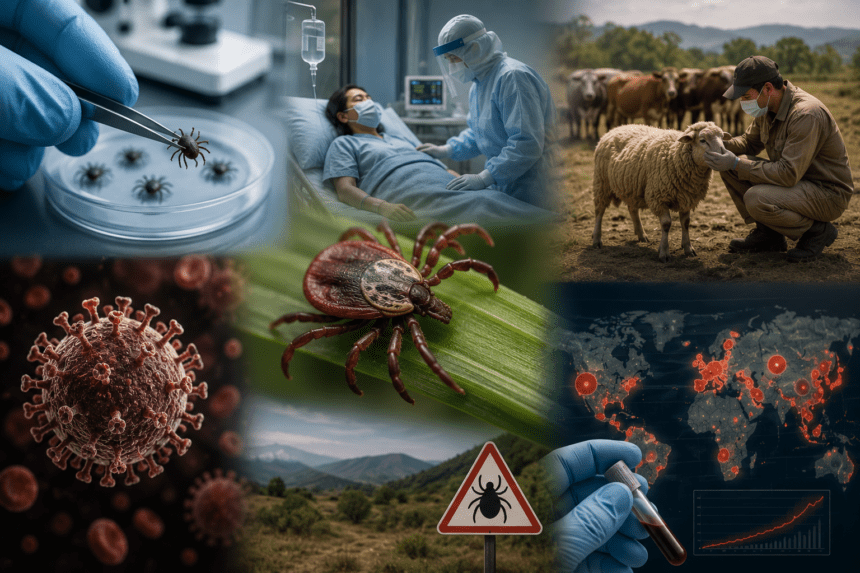
Crimean-Congo Hemorrhagic Fever is moving. Once a localized threat in Africa and the Balkans, the virus which kills up to 40% of those it infects is now surfacing in Southern Europe and tightening its grip across Asia. Public health officials aren’t just worried about the death rate; they’re worried about the speed of the spread. The primary carrier is the *Hyalomma* tick.

These aren’t your typical garden ticks. They are aggressive hunters that hitch rides on migratory birds and livestock. As global temperatures rise, these ticks are surviving winters in regions that used to be too cold for them. Spain has already reported several indigenous cases, a clear signal that the virus is no longer “someone else’s problem” in the West.

The symptoms are brutal. It starts with high fever, muscle ache, and dizziness. If the immune system fails to catch up, patients begin bleeding from the nose, gums, and skin. By the time internal organs start failing, the window for effective treatment has usually slammed shut.

There is no human vaccine. Doctors are left with ribavirin an antiviral drug that works best only if administered early and basic supportive care. “We are essentially fighting a 21st-century threat with 20th-century tools,” says one researcher tracking the virus in Pakistan, where seasonal outbreaks are now a predictable, deadly routine.

In South Asia, the risk peaks during livestock festivals. Millions of animals move from rural farms to urban centers, bringing ticks into high-density neighborhoods. A single prick from a tick or contact with the blood of an infected cow is enough. In the hospitals of Quetta or Karachi, medical staff often face “secondary transmission” getting infected themselves while trying to save patients.

The World Health Organization has placed CCHF on its priority list of diseases likely to cause the next major epidemic. It sits right next to Ebola and Zika. The logic is simple: the virus is hard to detect, harder to treat, and its geographic footprint is expanding every year.

Health departments are now pivoting toward “One Health” strategies treating the environment, the animals, and the humans as a single ecosystem. It’s a race against the thermometer. As long as the planet keeps warming, the Hyalomma tick will keep moving north, and the “nosebleed fever” will follow.


Share This Article
Email Copy Link Print
Previous Article US CDC delegation pushes for tighter polio surveillance in Rawalpindi US CDC delegation pushes for tighter polio surveillance in Rawalpindi
Next Article Madrid Hospital Receives Spanish Passengers from Hantavirus-Linked Cruise Madrid Hospital Receives Spanish Passengers from Hantavirus-Linked Cruise
Leave a Comment

Leave a Reply Cancel reply

Your email address will not be published. Required fields are marked *

Sponsored Ads

Stay Connected

FacebookLike
XFollow
InstagramFollow
YoutubeSubscribe
WhatsAppFollow
ThreadsFollow
Hantavirus Outbreak Challenges Post-Covid Health Messaging
Health
May 15, 2026
Heart Surgeon Warns: Five Common Kitchen Staples Linked to Cardiac Risk
Health
May 15, 2026
Missed Shots: Pakistan’s Vaccination Gap Risks Resurgence of Preventable Disease
Missed Shots: Why Pakistan’s Doctors Are Failing to Close the Vaccination Gap
Health
May 15, 2026
Madrid Hospital Receives Spanish Passengers from Hantavirus-Linked Cruise
Health
May 15, 2026
US CDC delegation pushes for tighter polio surveillance in Rawalpindi
Health
May 15, 2026
US Firm to Acquire Cornwall Space Station for Lunar Missions
Climate and Weather Headline
May 15, 2026

You Might Also Like

Health

113 New Dengue Patients Admitted to Government Hospitals in Sindh

By
Neha Ashraf
Health

PM Shehbaz Reaffirms Commitment to Eradicate Polio as Cases Drop Sharply in 2026

By
Syed Jarri Abbas
Health

Punjab Inaugurates its First Female Pathology Lab Collection Center at PIC

By
Irma Khan
Health

New Hope for Heart Patients as Vitamin D Dosage Found to Reduce Heart Attack Risk

By
Neha Ashraf
Media Hyde Media Hyde Dark
Facebook Twitter Youtube Rss Medium

About US

Media Hyde Network: Your instant connection to breaking stories and live updates. Stay informed with our real-time coverage across politics, tech, entertainment, and more. Your reliable source for 24/7 News.

Top Categories
  • Headline
  • Politics
  • Entertainment
  • Education
  • Sports
  • Religious
  • Metropolitan
  • Climate and Weather
Usefull Links
  • Contact Us
  • Disclaimer
  • Privacy Policy
  • Cookies Policy
  • Advertising Policy
  • Terms & Conditions

© 2025 Media Hyde Network. All Rights Reserved.

Welcome Back!

Sign in to your account

Username or Email Address
Password

Lost your password?