City council members voted Tuesday to overhaul local land-use policies, mandating a 20% increase in tree canopy coverage across municipal zones by 2030. The initiative aims to combat the “urban heat island” effect that has pushed summer temperatures in downtown corridors nearly 7 degrees higher than in surrounding rural areas.
The plan moves beyond simple aesthetics. It shifts the burden of maintenance from private developers to a newly funded municipal forestry task force. For years, developers planted saplings that withered within months due to neglect; now, the city will hold them financially liable for survival rates over a three-year period.
“We aren’t just planting sticks in the ground anymore,” said Councilor Sarah Jenkins, who sponsored the measure. “This is about infrastructure. A mature tree is a natural air conditioner, and it’s time we treated our green spaces with the same urgency as our power grids or water pipes.”
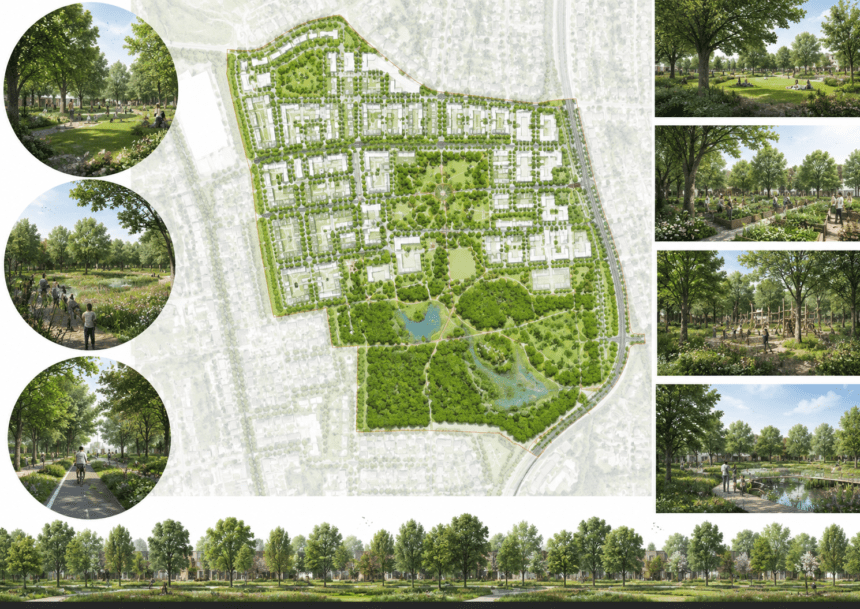
The policy introduces a “green-first” zoning requirement. Any new commercial construction must now dedicate 15% of its footprint to permeable surfaces or native vegetation. Critics have argued the costs will trickle down to small businesses through higher construction overhead, but urban planners suggest the long-term savings in energy consumption—specifically in building cooling costs—will offset the initial investment.
Data from the city’s environmental department shows that the current canopy covers only 12% of the metropolitan area, far below the 35% recommended by regional climate experts for sustainable cooling. The plan identifies three neglected industrial zones for immediate reforestation, targeting areas where surface temperatures frequently trigger heat-health alerts.
Funding for the project remains a point of contention. The council approved an initial $4.2 million allocation, but the total cost of the decade-long rollout is projected to exceed $15 million. While the city expects to tap into state-level environmental grants, officials have not yet identified how they will bridge the remaining budget gap if those external funds fail to materialize.
For now, the focus shifts to the upcoming planting season. The city’s forestry department has already begun surveying the first ten sites, with the first of the 50,000 new trees expected to go into the ground by late autumn. Whether this plan survives the next election cycle depends on whether residents see a tangible drop in their summer cooling bills before the next budget review.