SEOUL — The discovery of multiple bodies in a residential complex on the outskirts of Seoul has ignited a firestorm of public fury, forcing the government to address systemic failures in social welfare monitoring.
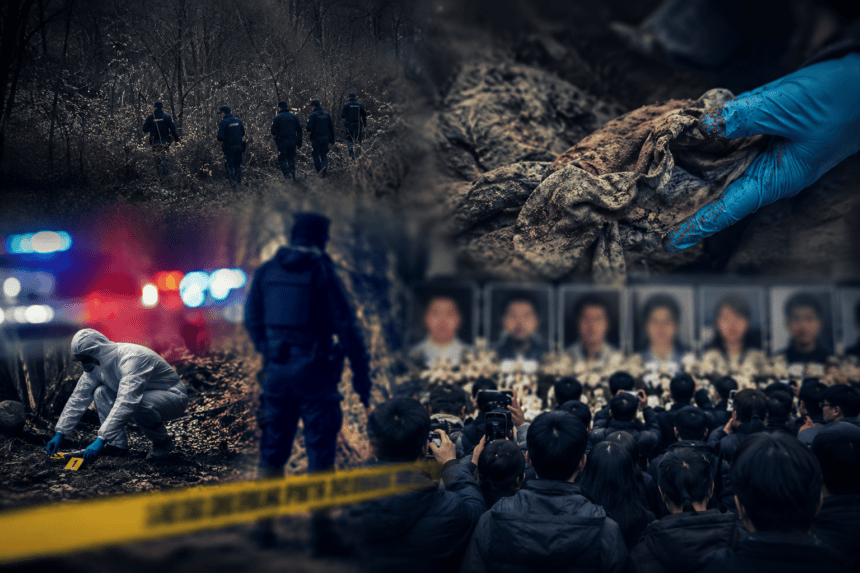
Police recovered the remains late Tuesday during a welfare check prompted by unpaid utility bills and a pile of undelivered mail. While investigators have yet to release a final count, initial reports confirm at least three individuals were found in a state of advanced decomposition, pointing to deaths that occurred weeks, if not months, ago.
The incident has bypassed the usual cycle of bureaucratic mourning. Instead, it has hit a raw nerve in a society grappling with the “lonely death” phenomenon—a quiet crisis where elderly or isolated citizens pass away unnoticed in a hyper-connected nation.
“We have the technology to track every transaction, yet we allow our neighbors to vanish behind closed doors,” said Kim Ji-won, a social policy analyst based in Seoul. “This isn’t an administrative error. It’s a systemic abandonment.”
The national scandal centers on the failure of the “welfare safety net.” Despite South Korea’s sophisticated digital infrastructure, the system failed to flag the households despite months of missed rent and electricity payments. Critics argue that the government’s reliance on automated data collection ignores the human element required to actually check on the vulnerable.
Opposition lawmakers were quick to seize on the findings, calling for an immediate audit of the Ministry of Health and Welfare. The ministry, currently under pressure, promised a “comprehensive review” of how it tracks at-risk individuals.
For many, these promises ring hollow. Similar pledges were made following high-profile cases in 2014 and 2022, yet the death toll continues to climb.
The tragedy has left a stark question hanging over the capital: how many more people are currently living—and dying—in total isolation while the rest of the country remains logged in, looking the other way?