The Ebola outbreak in the Democratic Republic of the Congo (DRC) has reached 6,250 reported cases, with 3,039 deaths, according to the latest figures cited by the Center for Infectious Disease Research and Policy (CIDRAP). Transmission remains concentrated mainly in North Kivu province.
The outbreak, which involves the Bundibugyo species of Ebola virus, was confirmed in the DRC in May 2026. The strain is particularly concerning because there is currently no approved vaccine or specific treatment for Bundibugyo Ebola, although researchers are testing potential vaccines and treatments.
Health authorities and international partners are facing major challenges in containing the outbreak. Insecurity, population displacement, limited healthcare access and high population movement are making surveillance, contact tracing and treatment more difficult.
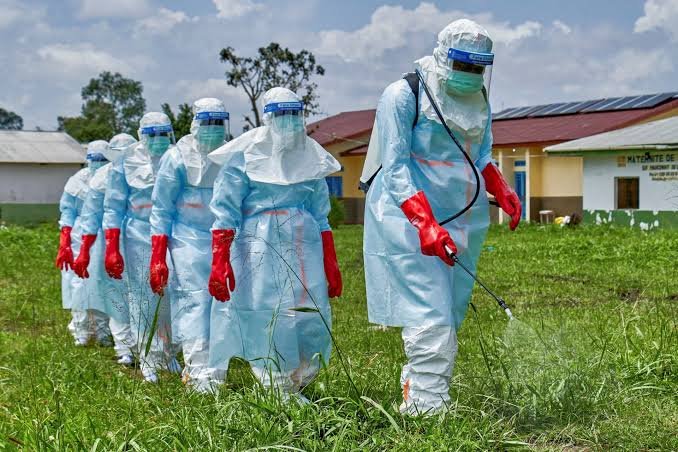
The World Health Organization (WHO) has been supporting the DRC and Uganda with surveillance, contact tracing, clinical preparedness, supplies and community engagement. Officials emphasize that cooperation from affected communities is essential to slowing transmission and bringing the outbreak under control.
The outbreak has become one of the most serious Ebola emergencies in recent years, with health authorities continuing to expand response measures as infections and deaths rise.