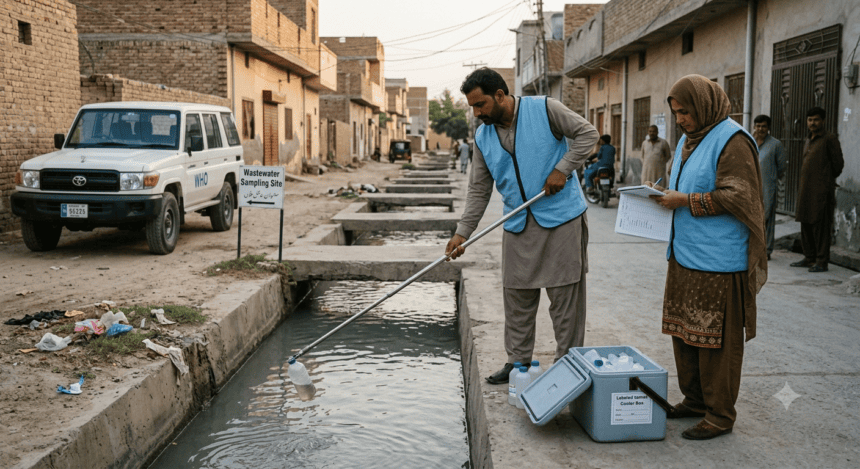
Pakistan’s fight against polio has reached a critical juncture. Latest environmental surveillance data shows the national positivity rate for poliovirus samples has dropped to 13.1%, a notable shift after months of persistent outbreaks across high-risk districts.
Health officials are tracking this decline as a potential cooling period in transmission, though the numbers remain precarious. While the 13.1% figure signals a reduction in the virus’s reach within sewage networks, the presence of the Wild Poliovirus Type 1 (WPV1) remains confirmed in several key urban centers.
For public health teams, the drop offers a sliver of breathing room. The virus has been circulating aggressively in areas like Karachi, Peshawar, and Quetta throughout the year, often fueled by seasonal migration patterns and pockets of vaccine hesitancy. This latest dip suggests that recent synchronized vaccination drives are finally hitting their mark, interrupting chains of transmission that had previously seemed unbreakable.
But the data requires a cautious reading. A lower positivity rate doesn’t mean the virus has been cleared from these districts. It means the concentration of the virus in environmental samples is waning, likely due to increased immunity levels among children following the administration of the oral polio vaccine (OPV) in high-risk zones.
“The numbers are moving in the right direction, but we aren’t at the finish line,” said a senior official within the Polio Eradication Initiative. He noted that the focus now shifts to the upcoming winter months, a period when the virus typically struggles to survive in the environment, providing a window to intensify coverage in under-vaccinated clusters.
Despite the progress, the threat persists. Surveillance teams continue to report positive samples in districts that had previously been declared clear, underscoring the fragility of these gains. The virus is opportunistic; any lapse in immunization coverage, particularly in the border regions and dense urban slums, could trigger a resurgence.
The current strategy remains unchanged: aggressive, door-to-door immunization campaigns aimed at reaching the “zero-dose” children who have never received a single drop of the vaccine. Without closing this immunity gap, the 13.1% figure could easily reverse in the next reporting cycle.
Public health authorities are now bracing for the next round of national campaigns, prioritizing districts where environmental samples remain stubbornly positive. The goal is clear: sustain the momentum through the winter, or risk losing the ground regained over the last quarter.