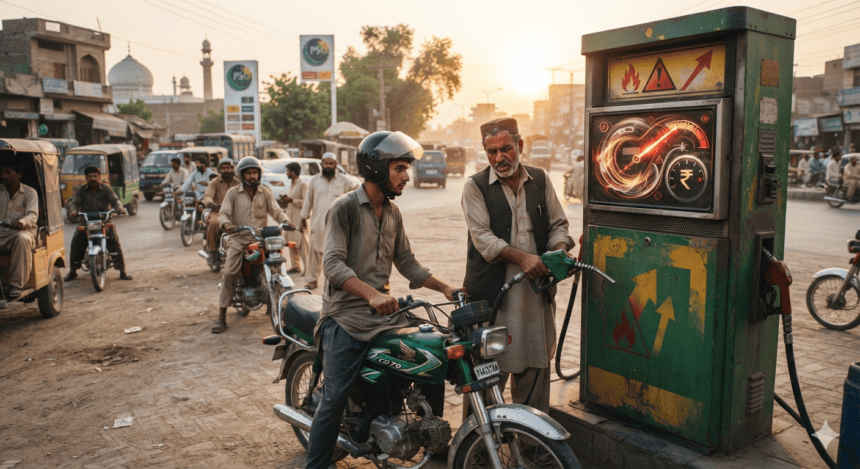
The federal government announced a sharp increase in petrol prices late Tuesday, pushing the cost of fuel past the Rs 300 per liter threshold. The move comes as the finance ministry struggles to stabilize the rupee against the dollar and meet stringent conditions set by international lenders.
Effective August 5, petrol will retail at Rs 304.50 per liter—a jump of Rs 8.20 from the previous fortnightly review. High-speed diesel saw a similar hike, climbing to Rs 312.15 per liter.
The decision arrives at a volatile time for the local economy. Inflationary pressure has squeezed household budgets for months, and transport costs are expected to climb almost immediately, triggering a ripple effect on the price of essential food items and raw materials.
Finance Minister Muhammad Aurangzeb, speaking briefly at a press conference, cited the “unavoidable reality” of rising global oil prices and the need to maintain fiscal discipline. He did not take questions regarding the specific impact on low-income earners, instead pointing to the recurring need for revenue collection to balance the national budget.
Independent economists argue the timing is particularly brutal. With electricity bills already peaking due to seasonal demand, the hike in fuel prices leaves little room for middle-class families to maneuver.
“This isn’t just about the pump price,” said Dr. Salman Ahmed, a senior energy analyst. “It’s about the logistical cost of everything moving on our roads. When diesel goes up, the price of milk, vegetables, and construction materials follows within forty-eight hours.”
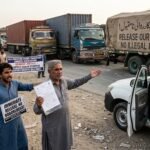
While the government maintains that the tax adjustment is necessary to keep the national fuel supply chain operational, the public remains skeptical. Protests have already surfaced in several major cities, with commuters and small business owners demanding a rollback of the petroleum development levy.
As the new rates take effect, the government’s focus now shifts to managing the inevitable backlash from transport unions. With no further subsidies in sight, the cost of daily survival in Pakistan just got significantly steeper.