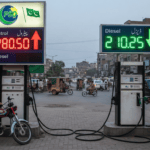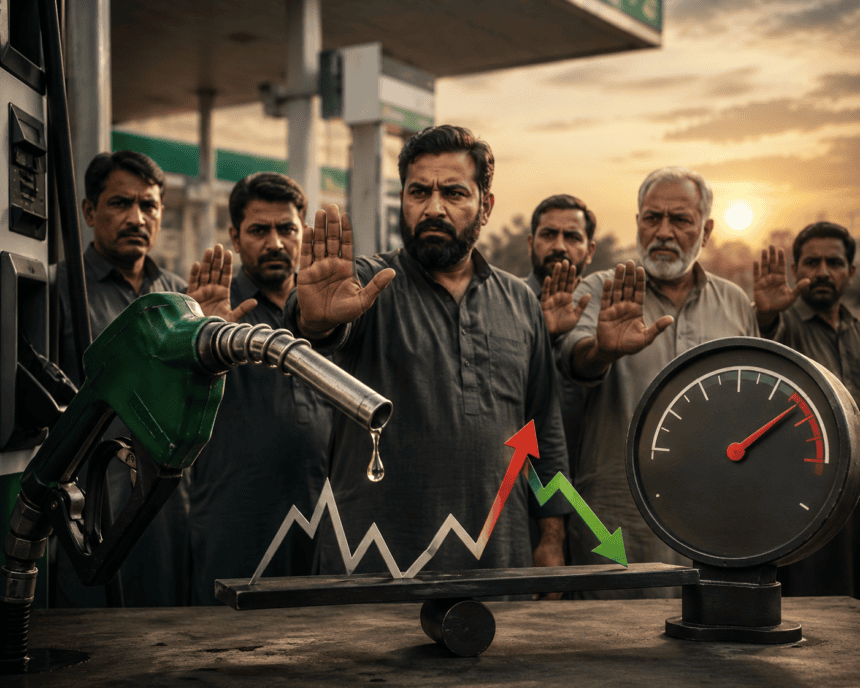
Pakistan’s fuel retailers are pushing back against the government’s proposed shift to a daily fuel pricing mechanism, warning that the move will cripple local operations and spark widespread consumer confusion.
The Pakistan Petroleum Dealers Association (PPDA) issued a formal ultimatum this week, declaring they will not implement a system that requires daily price updates at the pump. For station owners, the logistics of recalculating margins and updating digital systems every 24 hours isn’t just an administrative burden—it’s an impossibility in a market where electricity outages and internet connectivity remain inconsistent.
“We aren’t software companies,” said a senior member of the PPDA. “We are running physical sites that struggle with basic power supply. Expecting us to adjust prices at midnight every single day is a recipe for disaster and constant disputes with customers.”
The government’s push for daily adjustments is part of an effort to align domestic rates with the volatility of global oil markets—a move intended to pass on international price fluctuations to the consumer faster. While economists argue this could stabilize the national exchequer’s revenue, dealers argue it ignores the reality on the ground.
The primary friction point is the profit margin. Currently, dealers operate on a fixed percentage or absolute margin per liter. A daily price change forces them to manage inventory valuation losses whenever prices drop, while facing intense public anger whenever they rise. Dealers are now demanding a significant increase in their margins before they even consider discussing a change to the current fortnightly review cycle.
If the government forces the issue, the association has threatened a nationwide strike. A closure of fuel stations would bring transport in major cities to a standstill within hours, a prospect the government is keen to avoid as it struggles to maintain economic stability.
For now, the petroleum ministry is weighing its options. They need the revenue efficiency that daily pricing offers, but they cannot afford the political fallout of a country-wide fuel shortage.
The standoff leaves the country’s energy supply chain in a fragile position. Until the government addresses the dealers’ demands for higher margins and logistical support, the current fortnightly pricing structure remains the only thing keeping the pumps running.