A rare but lethal virus is trending for all the wrong reasons. Hantavirus, a disease with a 38% mortality rate, has become the latest target for viral misinformation, catching a fragmented US healthcare system off guard. While health officials in Arizona and California recently confirmed a handful of cases, the online reaction has far outpaced the actual clinical threat.
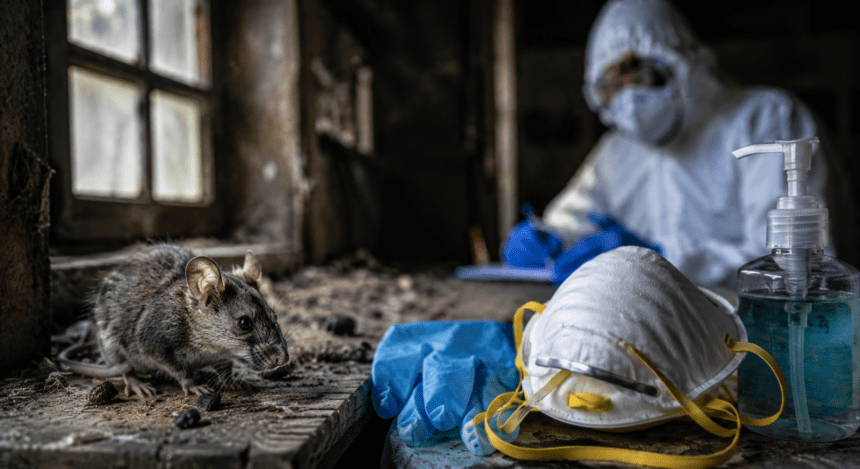
Social media platforms are currently flooded with claims that Hantavirus is “the next pandemic” or is now spreading through the air between humans. Neither is true. The reality is more nuanced and, in some ways, more concerning. Hantavirus Pulmonary Syndrome (HPS) is a severe respiratory disease caused by inhaling dust contaminated with rodent droppings or urine.
It doesn’t spread person-to-person. Since it was first identified in 1993, the US has seen fewer than 900 cases. The “so what” isn’t the scale of the outbreak it’s the speed of the panic.
The US public health infrastructure, still bruised from the COVID-19 era, hasn’t figured out how to counter viral falsehoods in real-time. By the time a local health department issues a factual press release, a misleading TikTok has already reached millions.
“We aren’t just fighting a virus; we’re fighting a narrative,” said one public health analyst who tracks zoonotic diseases. “When you have a high mortality rate and a low level of public understanding, it’s a perfect environment for fear-mongering.” The diagnostic pipeline is another weak link.
Because Hantavirus symptoms—fever, muscle aches, and fatiguem imic the flu or COVID-19, early detection is difficult. Most cases occur in rural areas where clinics lack specialized diagnostic tools. Samples often have to be shipped to state labs or the CDC, a process that can take days. For a disease that progresses rapidly to respiratory failure, those days are often the difference between life and death. Funding is also a factor.
Federal resources for “neglected” zoonotic diseases have remained stagnant. Most US hospitals are geared toward routine care or high-volume seasonal illnesses; they aren’t equipped for the intensive, specialized isolation and ventilation requirements that HPS patients need. Local health departments in the Southwest are now urging residents to focus on rodent control rather than online theories. They’re telling people to use bleach when cleaning cabins or sheds and to avoid sweeping up dry dust that might carry the virus.
The current scare isn’t a sign that a Hantavirus pandemic is coming. It’s a sign that the US remains ill-equipped to manage the intersection of rare pathogens and a hyper-connected, skeptical public. Until the communication gap is closed, the next health scare—no matter how small the actual numbers—will likely follow the same chaotic script.