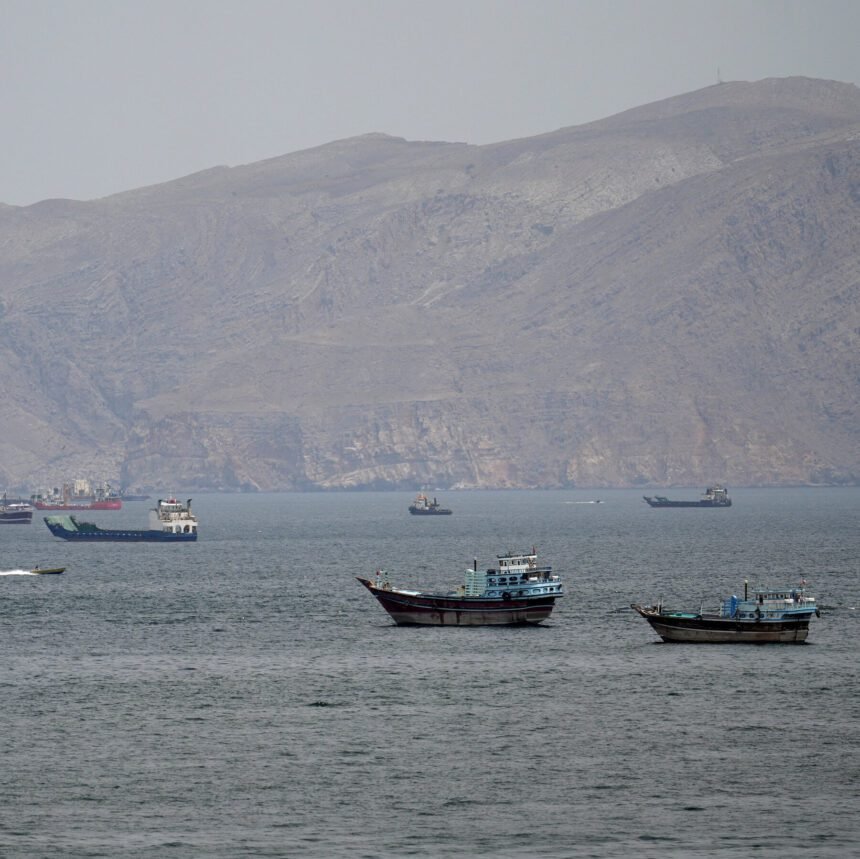
The situation in the Iran war has sharply escalated after U.S. President Donald Trump issued a direct military warning regarding activity in the Strait of Hormuz, one of the world’s most critical oil routes. He announced that the U.S. Navy has been ordered to “shoot and kill” any boats suspected of laying sea mines in the waterway, stressing that there should be no hesitation in taking action.
This threat comes amid growing accusations from the United States that Iranian-linked forces are using small, fast boats to place mines and disrupt international shipping. Reports indicate that some of these vessels have already attacked or interfered with oil tankers, and in some cases ships have been seized and taken into Iranian waters.
At the same time, the United States has increased its military presence and actions in the region. American forces have intercepted Iranian oil shipments and stepped up mine-clearing operations in the strait, while also enforcing a naval blockade aimed at restricting Iran’s oil exports. These moves have further intensified the standoff, with both sides accusing each other of violating an already fragile ceasefire.
The Strait of Hormuz is extremely important globally because roughly 20% of the world’s oil supply passes through it. Any disruption in this narrow passage immediately affects global energy markets. Following Trump’s warning and the rising tensions, oil prices have surged above $100 per barrel, and analysts are warning that the situation could lead to prolonged instability in global markets.
Iran has also taken steps to demonstrate control over the region. It has seized multiple commercial ships, imposed restrictions on maritime movement, and even started asserting authority over traffic in the strait. These actions are seen as a response to the U.S. blockade and part of a broader strategy to pressure Washington and its allies.
Despite earlier attempts at diplomacy, including ceasefire extensions and talks expected to take place in Islamabad, negotiations have stalled. Both sides continue military and strategic actions, making the ceasefire increasingly unstable and raising fears that the conflict could expand further.
Internationally, several countries including the UK and European allies are preparing to assist in securing the waterway, particularly through mine-clearing operations. However, U.S. officials have warned that removing all mines could take months, meaning the threat to shipping and energy supply may continue for a long time.
Overall, the situation remains highly tense, with direct military threats, ongoing ship seizures, and economic consequences spreading beyond the region. The Strait of Hormuz has become the central flashpoint, and any further escalation could have serious global impacts on trade, oil supply, and geopolitical stability.