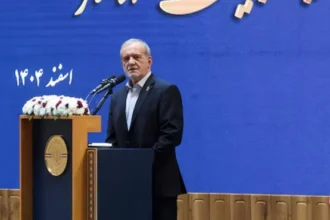
Tehran, Iran — Supporters of Iran’s political establishment are increasingly embracing a broader form of nationalism that seeks to unite diverse segments of society, including women who choose not to wear the traditional Islamic headscarf in public. The shift reflects an evolving effort to strengthen national unity amid ongoing political, economic, and regional challenges.
Observers note that recent public messaging from figures aligned with Iran’s ruling establishment has placed greater emphasis on national identity, patriotism, and cultural heritage. Rather than focusing solely on ideological or religious distinctions, some officials and commentators have highlighted the importance of bringing together all Iranians regardless of differences in personal lifestyles or social views.
The change comes after years of social tensions surrounding issues such as dress codes, civil liberties, and cultural freedoms. In particular, debates over the mandatory hijab have remained one of the most visible and controversial issues in Iranian society.
According to political analysts, the broader nationalist narrative is partly aimed at fostering social cohesion during a period of heightened external pressures and domestic economic difficulties. By emphasizing shared national interests, supporters of the approach hope to reduce divisions and strengthen public support for the country’s institutions.
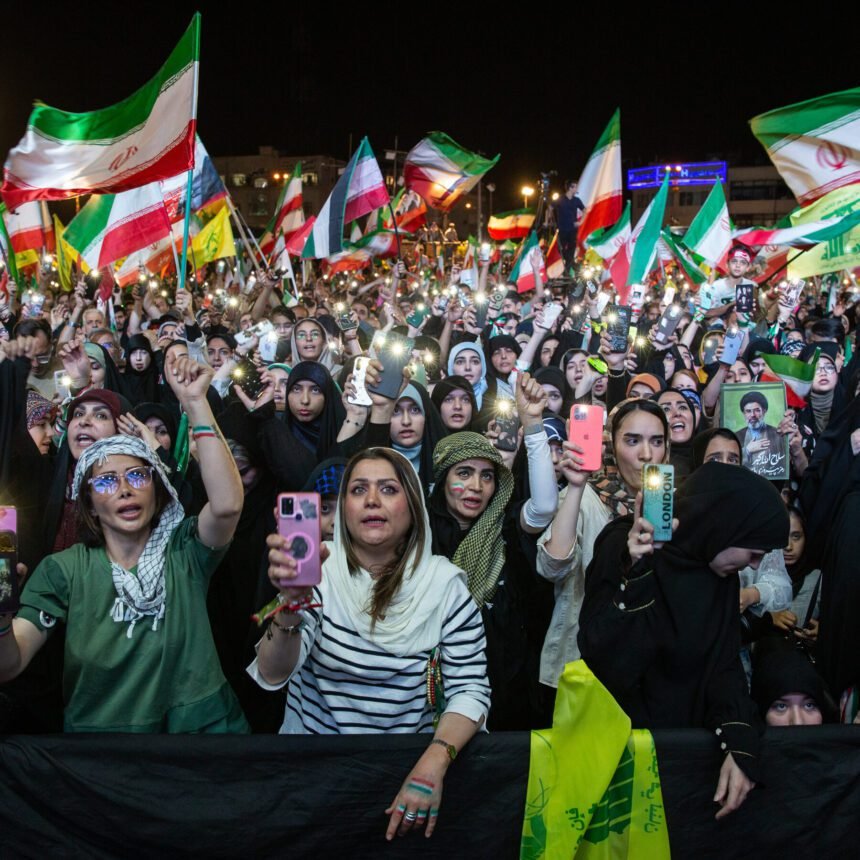
Recent public events and national commemorations have showcased a more inclusive tone, with participants from various social and cultural backgrounds being presented as part of a unified Iranian identity. Some commentators view this as a strategic effort to appeal to younger generations and citizens who may feel disconnected from traditional political messaging.
However, opinions remain divided regarding the significance of the shift. Supporters argue that a more inclusive definition of national identity could help bridge social divides and encourage greater public participation in national affairs. Critics, meanwhile, question whether changes in rhetoric will be accompanied by meaningful policy reforms addressing longstanding social concerns.
Women’s rights advocates have also expressed mixed reactions. While some welcome language that appears more inclusive of women regardless of their dress choices, others maintain that genuine progress will depend on legal and institutional changes rather than symbolic gestures alone.
Political experts suggest that the emerging emphasis on nationalism does not necessarily signal a departure from Iran’s existing political framework. Instead, it may represent an attempt to broaden the appeal of that framework by incorporating a wider range of social groups under a common national narrative.
As Iran continues to navigate complex domestic and international challenges, the evolving discussion around national identity is likely to remain an important aspect of the country’s political landscape. Whether this broader vision of nationalism leads to lasting social change remains a subject of ongoing debate among analysts, policymakers, and the public.