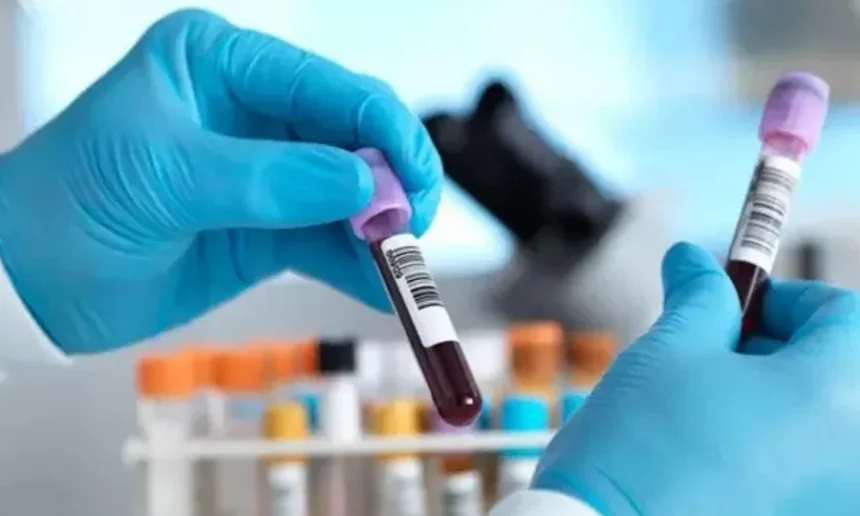
Scientists have discovered a blood based protein signature that can predict the risk of lung cancer up to five years before diagnosis.
The study was conducted in the United Kingdom and analyzed blood samples from more than 48,000 individuals. Researchers used machine learning to identify 14 specific proteins in the blood that were strongly linked to the future risk of lung cancer.
According to the research, inflammation caused by environmental pollution such as vehicle emissions, coal burning, and cigarette smoke can create conditions in the body that activate already affected cells and potentially lead to cancer.
Researchers also tested this protein signature across eight different international datasets and found that individuals who later developed lung cancer had elevated levels of these proteins beforehand. This increase was observed even among non smokers.
According to scientists, these protein changes indicate an inflammatory condition that exists before lung cancer develops rather than signaling the presence of existing cancer.
The study also found that the same inflammatory condition is associated with other lung diseases, suggesting that a common biological process may exist before the onset of various illnesses.
Further experiments revealed that blocking a specific inflammatory molecule reduced the growth of cancer cells at an early stage, opening up possibilities for preventive treatments in the future.
Experts say this research could help identify individuals at higher risk in the future, allowing for timely treatment or preventive measures and helping reduce the problem of late cancer diagnosis.